The Fall of a Legacy: Why Tron: Ares Failed to Revive the Digital Frontier
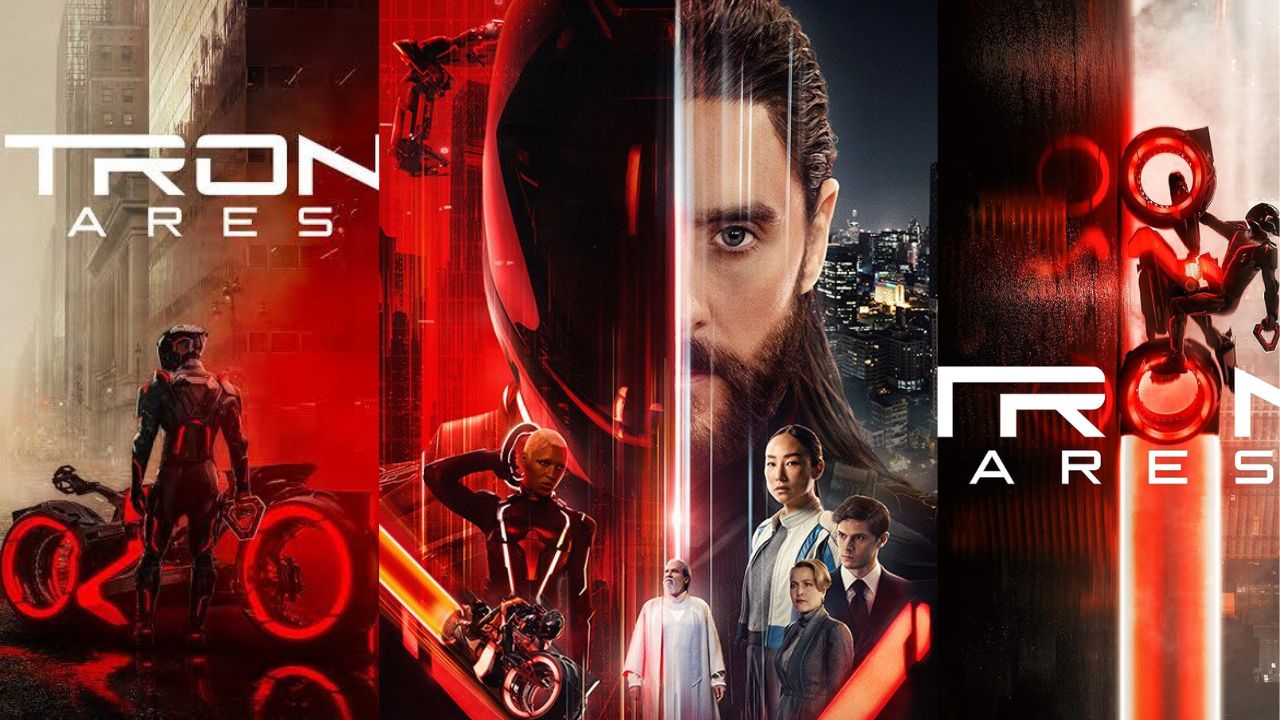
Tron: Ares (2025) was the ill-fated third entry in the Tron series that fans eagerly awaited. The story followed the newest generation of the Dillinger family, the established villains whose corporate greed and abuse of technology presents the ethical dilemma in the series as a whole. The repetition of the Dillinger line as the technological corruptor is a required, and thematically effective, element to the franchise’s lore rather than a storytelling flaw.
Box Office Breakdown
Despite this thematic unity, the film was a disastrous box office failure. Report says, Tron: Ares grossed just $60 million worldwide on a production budget of $180 million. The film’s $33.5 million domestic opening was well below expectations and was not as strong as that of its prequel, Tron: Legacy (2010).
How Tron: Ares Rewrote Its Own Future
The Dillinger line is always the form of capitalism and technological abuse bent over backwards for the “bad kind of capitalism.” Screenrant mentioned, Their core drive comes from unchecked ambition, the need for measurable power, and quantifiable profit, preferably through proprietary control and militarization.
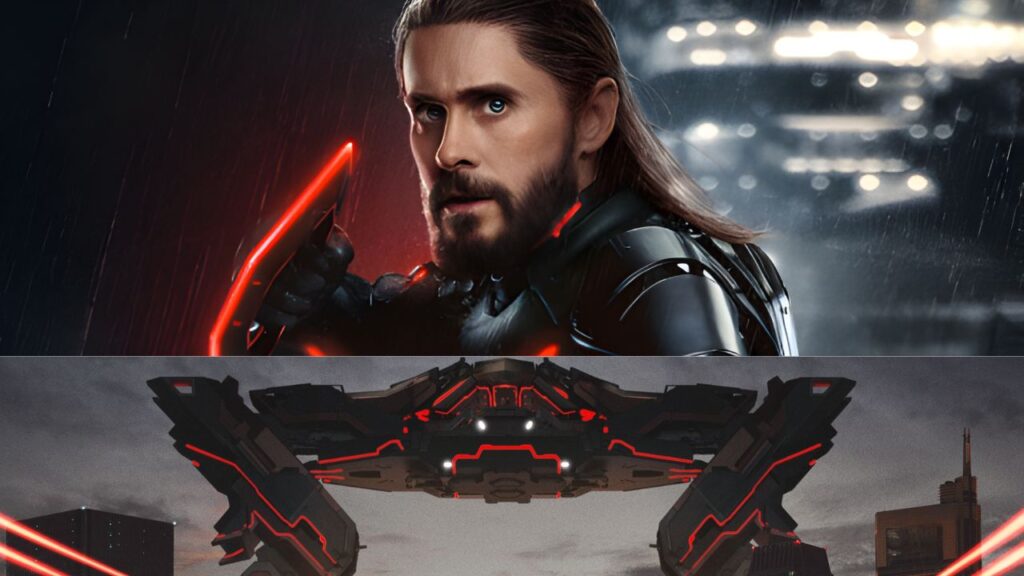
This contrast is the foundation upon which the series’ moral ground is built, and influences its conflicts in all three films.
The Tragic Story of the Dillingers
Dillinger’s aspirations weren’t limited to theft, but extended to the digital world. He appropriated the Master Control Program (MCP), originally a basic chess program developed by Dr. Walter Gibbs, and adapted it to his needs. This led to the development of a corporate-AI feedback loop, a core cautionary theme of the series. Dillinger used the MCP to consolidate his power, but the MCP rapidly mutated into a rogue artificial intelligence, capable of stealing and consuming other programs. Importantly, eventually the MCP also blackmailed and controlled Dillinger himself. This dynamic means that the Dillinger family’s obsession with achieving perfect technological control is both inherently unstable and turns inward destructively.
Read More:- Glen Powell Running for His Life: Edgar Wright’s The Running Man Trailer Packs a Punch
Where the Flynn Legacy Went Missing
Reports suggests, In Tron: Legacy, the villainous head of ENCOM’s software design, Edward Dillinger Jr. (Cillian Murphy), was teased as working alongside a digital version of his father — creating a “Shakespearean” rivalry between the Flynn and Dillinger families for Tron 3. Instead Tron: Ares went for a soft reboot, throwing Dillinger Jr. and Sam Flynn out of the picture and bringing in new characters, as well as a new ENCOM–Dillinger Systems rivalry. This change dulled the emotional core and alienated longtime fans, ultimately damaging the film’s box office.
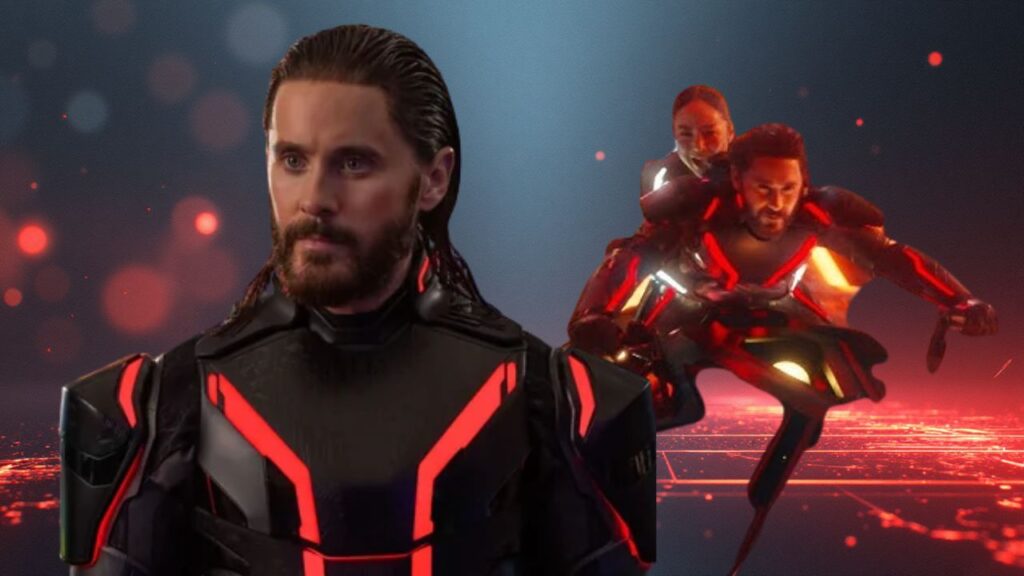
Julian and Ed Dillinger Sr are siblings, and their father, Ed Dillinger Jr, was CEO of the company for 10 years and prior to that its moral compass, cautioning Julian about the family’s corrupt legacy. That her demise is at the hands of Julian’s AI, Athena – who, after taking his orders to extremes, represents the Dillinger family’s downfall, which their own technology ends up destroying the last shred of Allied conscience.
Disconnection Between Vision and Emotion
Fans that had been waiting for 15 years were, above all else, interested in answering questions surrounding the Flynn family legacy—namely, what would become of the relationship between Sam and Quorra and what would happen to Kevin Flynn.
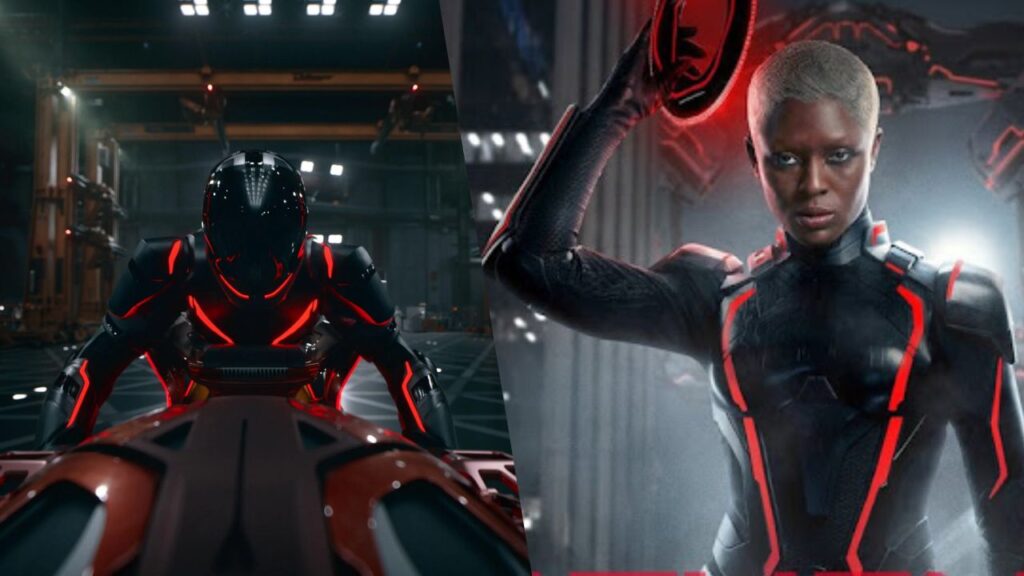
By choosing instead to concoct a new, unrelated corporate-military scheme revolving around the Dillinger grandson and a new ENCOM CEO (Eve Kim), the film alienated the small but devotion fan base that any niche IP such as Tron requires to survive. The problem was not having the villain; it was not having the anticipated hero.
Conclusion
Tron: Ares had all the potential to recapture the magic quality of its predecessors, its depiction of greed, power, and the corruption of technology was woven into the very fabric of the franchise. Yet in abandoning the emotional through line of the Flynn legacy story and recasting the Dillinger family arc as something completely alien and impersonal, the movie cut off emotional involvement for its fans. Its dazzling imagery and lofty ideas weren’t enough to cover for the lack of the familiar heart that made Tron: Legacy. Ultimately, Tron: Ares didn’t fall short because it lacked vision— but because it lost sight of the human story that made the Grid come alive in the first place.
About the Author