Predator: Badlands — Dan Trachtenberg’s Bold Reboot Turns the Hunter into the Hero
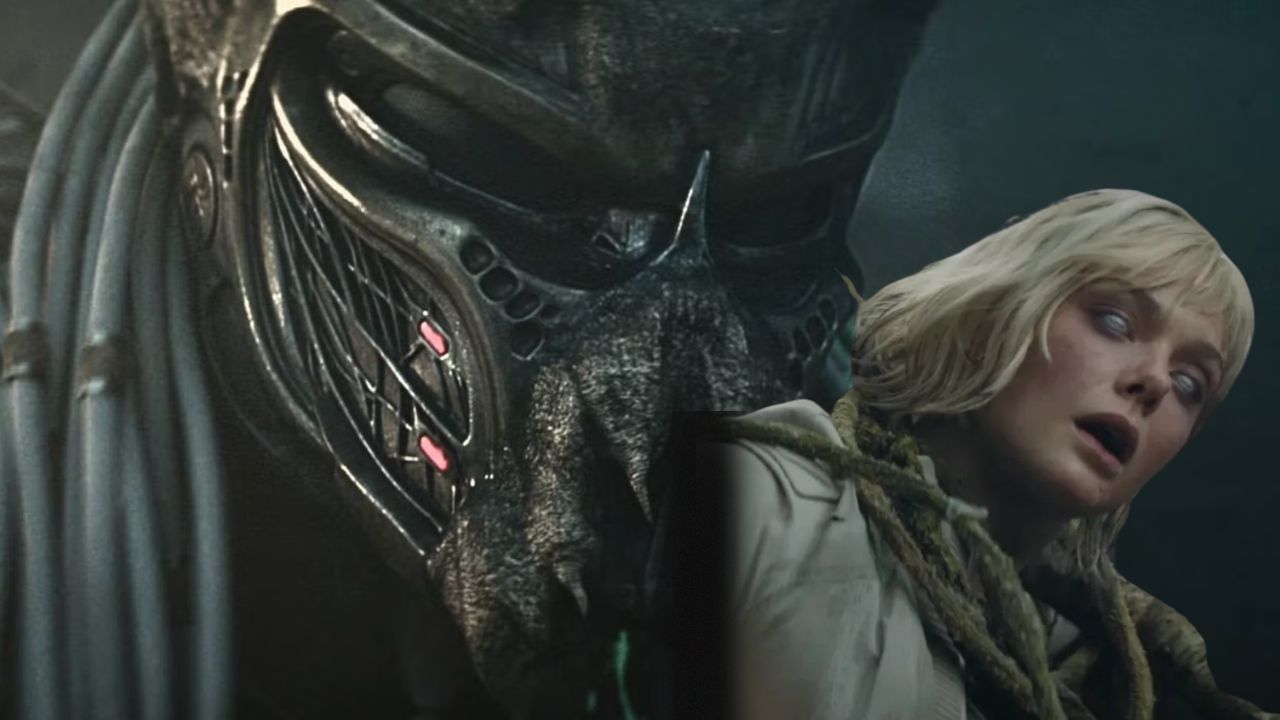
Trachtenberg will return to directing for the theatrical Predator: Badlands, due November 7, 2025. Most importantly, Trachtenberg’s overall role in the project is not limited to the direction, as he also serves as an Executive Producer, Writer, Story developer with Patrick Alison, Jim Thomas, and John Thomas. This consolidated visionary control is at the heart of Badlands’ corrective maneuver.
Screenrant noted, Predator: Badlands is a deliberate repudiation of sequelitis – the narrative trap that creators fall into where they become obsessed with expanding minor lore points and raising stakes, always querying “what could happen next?” Trachtenberg espouses a philosophy based on real creative differentiation: determining if a concept even deserves execution, by asking: “Should it happen next?”. Badlands guarantees a “new narrative” determined by one simple, radical concept that immediately separates it from the rest: turning the Yautja, the titular alien hunter, into protagonist and hero of the narrative.
Breaking the Cycle of Sequel Fatigue and “Bigger Predator” Syndrome
The Predator (2018) serves as a potent example of forcing to tie these different strands together a single story led to massive structural problems, with “bizarre logic and story problems” and plot holes that were never really addressed. Reports indicate that the film was heavily reshot and edited by the studio, which removed entire subplots and characters, permanently changing the third act. These procedural inside baseball and resultant patchwork narratives made clear that complexity, without creative discipline, always means sacrificing coherence.
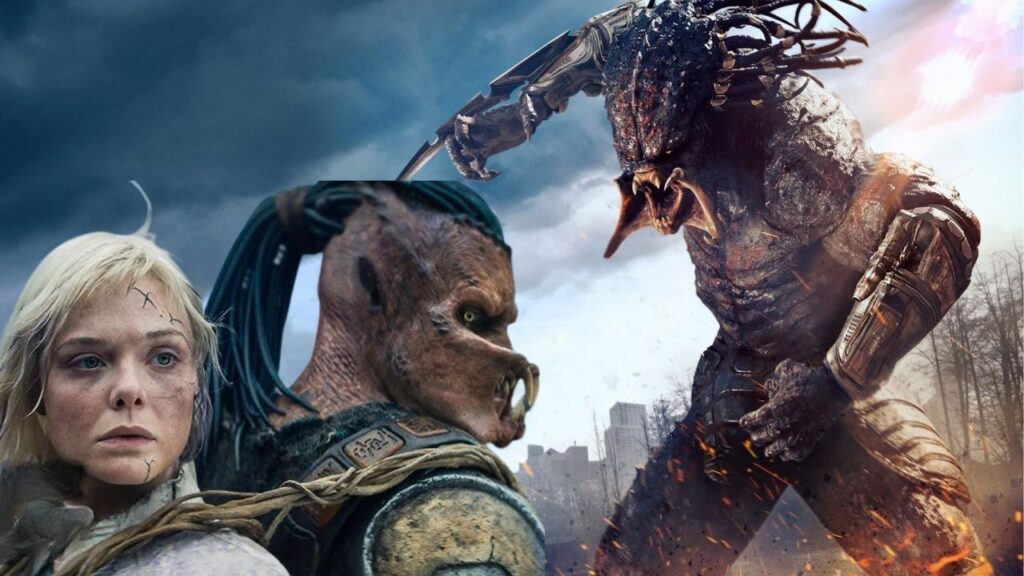
Another, less discussed but similarly damaging mistake was the use of power scaling, also known as the ‘Worf’ effect (named for the Star Trek character that is almost always defeated to demonstrate a new villain’s power). Sequels often seemed obligated to include a “bigger, badder predator,” like the Ultimate Predator in the 2018 movie, whose main objective was usually to take down or mock the typical Yautja hunter, representing a larger, more menacing danger.
This mechanical escalation bored the audience. Fans voiced fatigue that the mystique at the heart of the original, beautifully balanced hunter was undercut so many times to create spurious dramatic tension. This ongoing cycle of power inflation gradually eroded the feeling of primal threat and ended up replacing the chilling subtlety of the creature from 1987 with a focus on raw force spectacle. The fundamental problem was that directors leaned on outside super-threats rather than developing internal drive or character complexity.
The figures verify that the correction is a deep thematic inversion, whose mark is a diversion of audience sympathy from the humans’ struggle to survival and, for the first time, toward the cultural journey and internal dilemma of the space hunter. The shift is also a recapturing of the lost dramatic tension. It worked because it disguised its sci-fi premise with a blanket generic 1980s action movie façade, and then pulled a sudden, shocking genre switch. By establishing the Predator as a fallible, identifiable figure right off (Dek, the exile), Badlands creates internal, psychological stakes and dramatic irony — a more nuanced form of tension not present when the creature was simply an unknown killing machine.
Read More 👉 Why Jon Bokenkamp’s The Last Frontier Is Poised to Out-Thrill The Blacklist
The Duo (Dek and Thia) Wrapped in Brutal Action
Badlands is focused solely on a Yautja protagonist Dek (Dimitrius Schuster-Koloamatangi). This is the first franchise to raise the view point from the human prey to the alien hunter itself. The selection of which Yautja is central to the good philosophy: Dek is intentionally depicted as being an undersized “runt” who has been exiled from his clan.
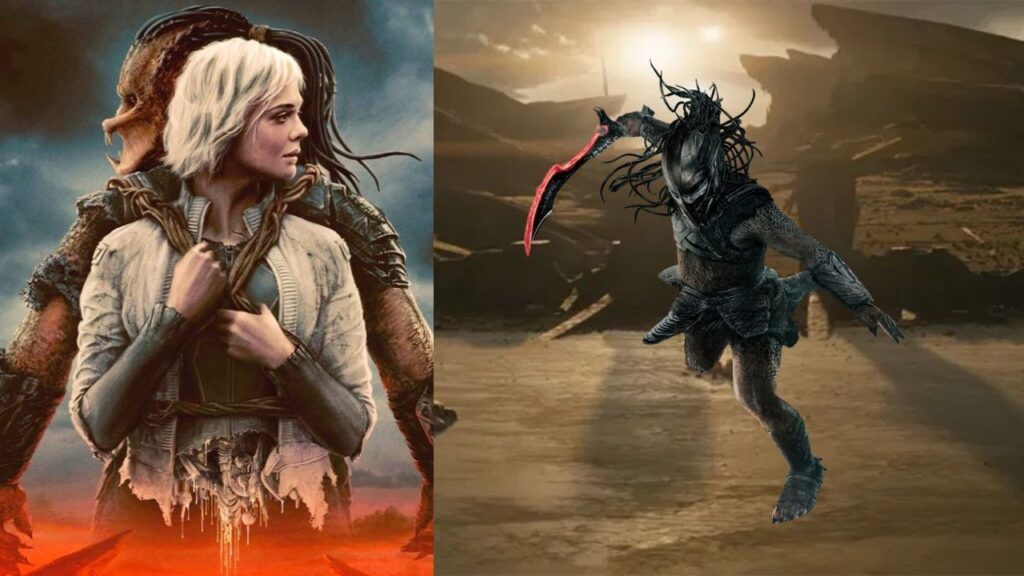
At the heart of this pivot is Dek’s “unlikely ally,” Thia (Elle Fanning), a legless synthetic, or android, sporting a prominent Weyland-Yutani logo on her eye. The positioning of the physical pair is essential to the tone, with production comparing Thia to Dek’s “backpack buddy”. This framing makes it clear right away that the narrative conflict will be shaped by the developing dynamic between the primal, honor-bound alien exile and his technological human counterpart, as opposed to being limited to action beats.
A Perfect Balance of Character Depth and Classic Predator Violence
Trachtenberg highlighted this change when he said that while Prey was a “solo survival tale,” Badlands is specifically a “relationship story.” This shift towards a character-based dynamic is crucial to getting past a major stumbling point in focusing on an alien lead: internal monologue. The buddy film format addresses that by giving Thia, who is essentially a stand-in for the audience, a necessary sounding board. The relational conflict forces Dek to make clear what drives him, to explain what’s at stake in his quest, and to draw on the fully formed Yautja language. This all important dynamic externalizes the Predator’s inner life, and allows us to understand what motivates him without the use of awkward infodumps or narrative crutches.
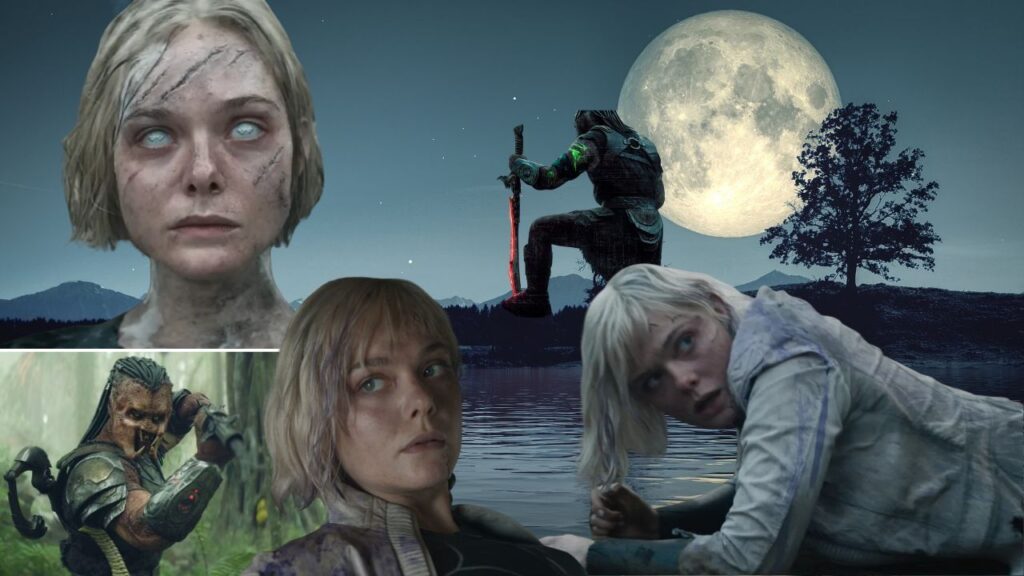
The fact that Thia is a synthetic, and her ties to the powerful Weyland-Yutani corporation, isn’t just a bit of fan service, is an integral part of system correction. Screenrant suggests, She gives the movie a way to talk about the future of humanity, and the corporate penetration of such a central, captivating theme in the Alien universe without having to fall back on the Xenomorph itself. In this way the film sets the Yautja’s primitive hunting code against the cold, modern, and frequently morally corrupt nature of the (Weyland-Yutani) menace to humanity. This opens up a more sophisticated and non-creature based villain approach for the franchise moving forward, and adds shades of high sci-fi intrigue to previously straightforward monster-hunting plots.
Why Predator: Badlands is the Franchise Reset Fans Have Waited For
While the story is character and culture driven, Badlands still delivers the visceral action that the fan base demands. Trachtenberg was quick to reassure fans by teasing “one of the most violent acts in a Predator film,” specifically including a spine rip that “rivals any from the other entries in the franchise”. This dedication to classic, graphic violence suggests at least a healthy reverence for the franchise’s core action sensibilities.
Conclusion
Predator: Badlands is designed not just to entertain, but to act as a total course correction for a series that has been suffering from sequelitis, and ballooning in both structure and aesthetic compromises. Dan Trachtenberg’s direction is a definitive new template, meant to last and built on a set of deliberate structural inversions. Predator: Badlands is set to give fans the brutal action they crave while also delivering on promises of deep character work and cultural exploration. Badlands lays down a solid and sustainable new template for the future of the Predator mythos.
About the Author