Marvel VisionQuest Trailer: How VisionQuest Is Writing Love Letters to Two Disney+ Series at Once
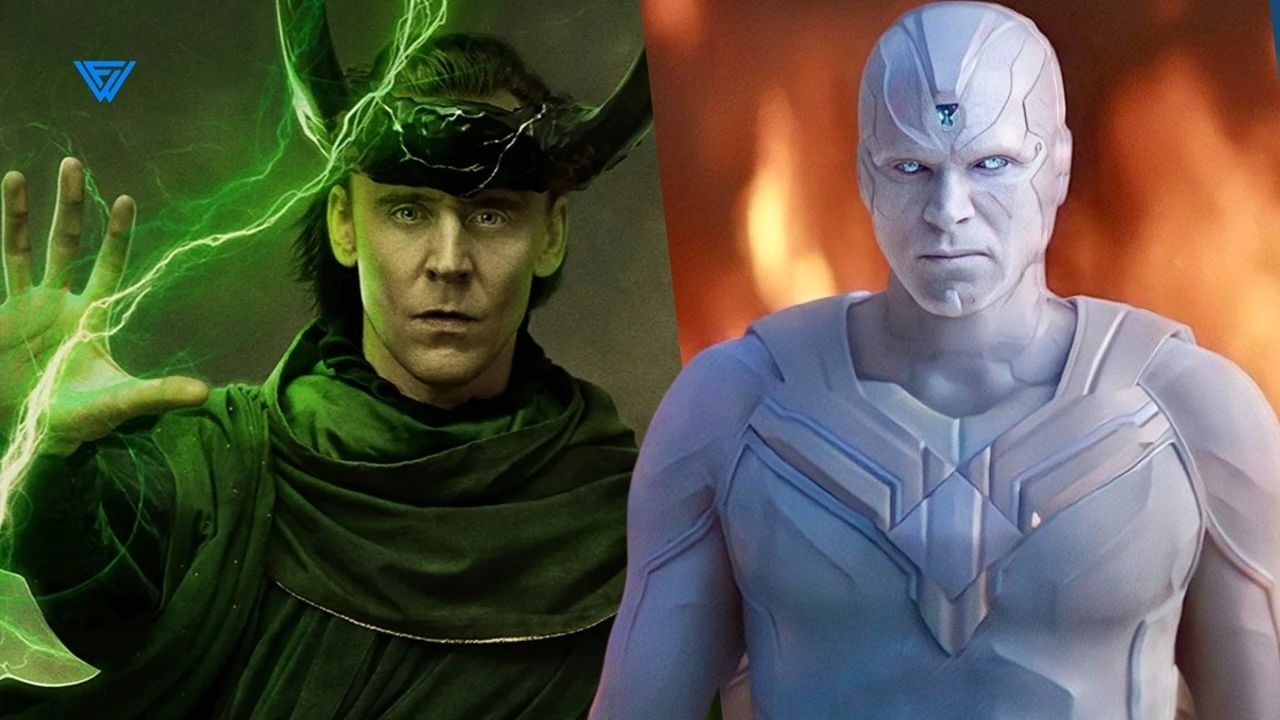
It’s not just WandaVision 2.0. The upcoming Paul Bettany-led series VisionQuest is borrowing one of Loki’s most emotionally devastating storytelling tricks and that changes everything. When Marvel first announced that White Vision would finally get his own Disney+ series, the conversation centered almost entirely on one question: how do you follow WandaVision? The Marvel VisionQuest Trailer gave the answer.
It turns out that you don’t just follow it — you also look sideways, toward a story about another MCU misfit who once watched his own life play out on a screen and didn’t recognize himself. That misfit was Loki. And the connection between his story and Vision’s is far more intentional than anyone initially realized.
VisionQuest trailer at Disney’s 2026 TV Upfronts has confirmed that it isn’t just a final chapter of a trilogy which began from WandaVision to Agatha All Along. It is, in a very deliberate sense, a spiritual heir to Loki — and understanding why that matters is the key to understanding just how emotionally ambitious this show is poised to be.
Marvel VisionQuest Trailer Breakdown
The centrepiece of the newly unveiled VisionQuest footage is that White Vision has no emotional memory while watching his footage where he fights alongside with Avengers, protecting people he apparently loved, sacrificing things he clearly valued. And he doesn’t feel the inch in his heart, it looks like he’s watching a complete stranger.
“The same thing happened to Loki, watching himself on TVA screen and feeling the ground shift beneath him.”
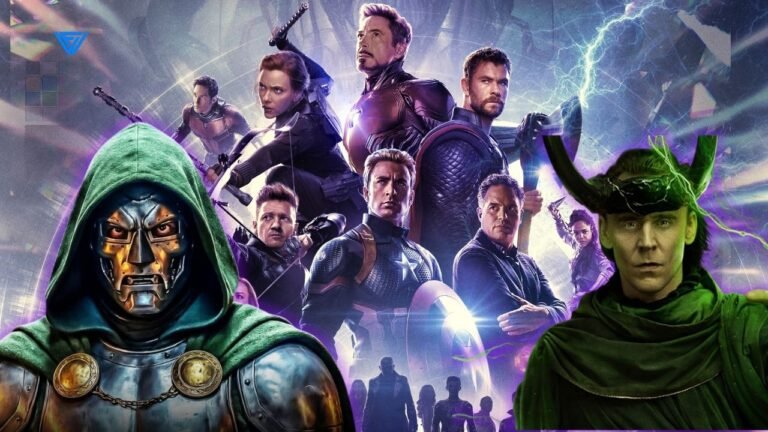
In the very first episode of Loki, that naughty and cool Mischief Loki was captured by the Time Variance Authority. Mobius put him down on a chair and made him watch his own version of his MCU timeline where he reconciles with Thor, his journey toward becoming a hero, and ultimately his death at the hands of Thanos, who kills him with a single hand. Loki went into that screening room as a chaos agent who thought he was above everyone. He came out fundamentally destabilized, forced to reckon with what his life had actually meant.
VisionQuest is setting up an identical emotional structure for its lead. White Vision must confront a version of himself that loved Wanda, that was part of a family in Westview, that died twice — and he has no experiential access to any of it. Like Loki, he can see the evidence of who he was. Unlike his predecessor, he can’t feel it.
| Loki (2021) | VisionQuest (2026) |
| TVA shows Loki his own timeline | Vision watches footage of his past self |
Both Shows Are Really About the Same Thing: Redemption Without Memory
Strip away the TVA bureaucracy and the Hex anomalies and what Loki and VisionQuest are both fundamentally exploring is a single question: can a person — or an entity — earn back who they were through experience alone, even when the memories that made them are gone? Loki didn’t remember choosing to be better; he had to choose it again, fresh, under pressure. The show argued that identity isn’t stored in the past — it’s built in the present.
Showrunner Terry Matalas has already pointed toward this territory. He compared Vision’s journey to Spock’s in Star Trek IV — a figure of immense intelligence who returns from something like death, technically himself but emotionally unmoored, having to slowly reconstruct a self from the outside in. That is precisely the road Loki walked before him on Disney+.
- Both characters enter their series as emotionally blank variants of themselves — shaped by trauma they can’t access.
- Both are forced to witness visual evidence of lives they lived but cannot feel.
- Both series use that disorientation as the engine for a redemption arc that has to be earned from scratch.
- Both shows position this as the conclusion of a longer character journey — Loki’s across three Avengers films, Vision’s from Age of Ultron through Infinity War and WandaVision.
VisionQuest Carries the Weight of Two Predecessors — and One Unexpected Sibling
As the finale of the WandaVision trilogy, VisionQuest already carries a weightage of significant narrative. It must honour the emotional story from WandaVision, examine the events of Agatha All Along, and still tell a story that satisfies its own narrative. The setup that looks like The Loki opening would be adding more depth to the story rather than complicate it.
Loki’s connection seems more purposeful than coincidental, as nothing is coincidental in MCU. Loki found his answer by sacrificing himself for the uncomfortable question on heroism, is a hero the sum of their actions, or the sum of what they remember choosing? But Vision hasn’t found it yet, so he will probably start looking from October 14.
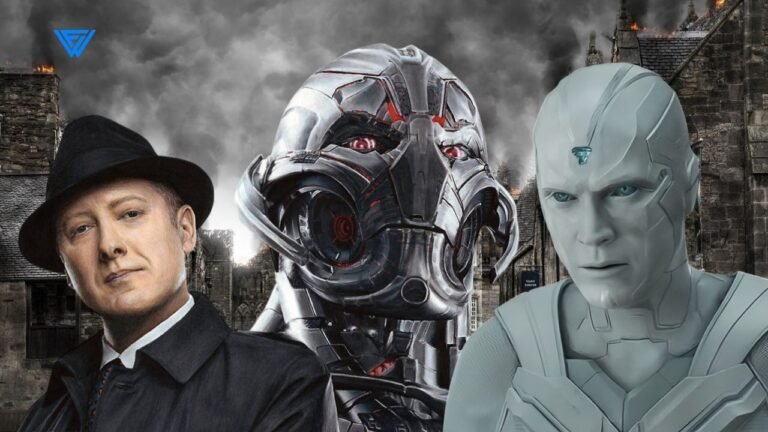
With James Spader returning as Ultron, a grown Tommy Maximoff entering the picture, and a cast that pulls together decades of MCU history — from JARVIS to FRIDAY to characters from as far back as Iron Man — VisionQuest has the scope of a finale and the intimacy of a character study. Its decision to echo Loki’s most powerful structural choice isn’t imitation. It’s the show signalling, very clearly, that it knows exactly what kind of story it wants to tell. A story about watching yourself from the outside, and deciding, step by step, who you want to be next.
Read More:- Shuri’s New Black Panther Suit in Avengers: Doomsday Is More Than a Costume Upgrade
Conclusion
The VisionQuest story isn’t followed by WandaVision next sequel, it respects the tag but it’s more connected to Loki. From the Marvel VisionQuest Trailer showing White Vision, it confirmed that the opening scene of both series looks familiar where they don’t recognize who is fighting and protecting on the TVA screen. The same opening but two different characters, past trauma, and rage will define the path they choose. As Loki chooses to sacrifice himself for greater good, could Vision do the same?
Funsterworld delivers the deeper theories from the upcoming movies and series directly to you.
About the Author