Marvel Villains: The Most Powerful Enemies and Their Weaknesses
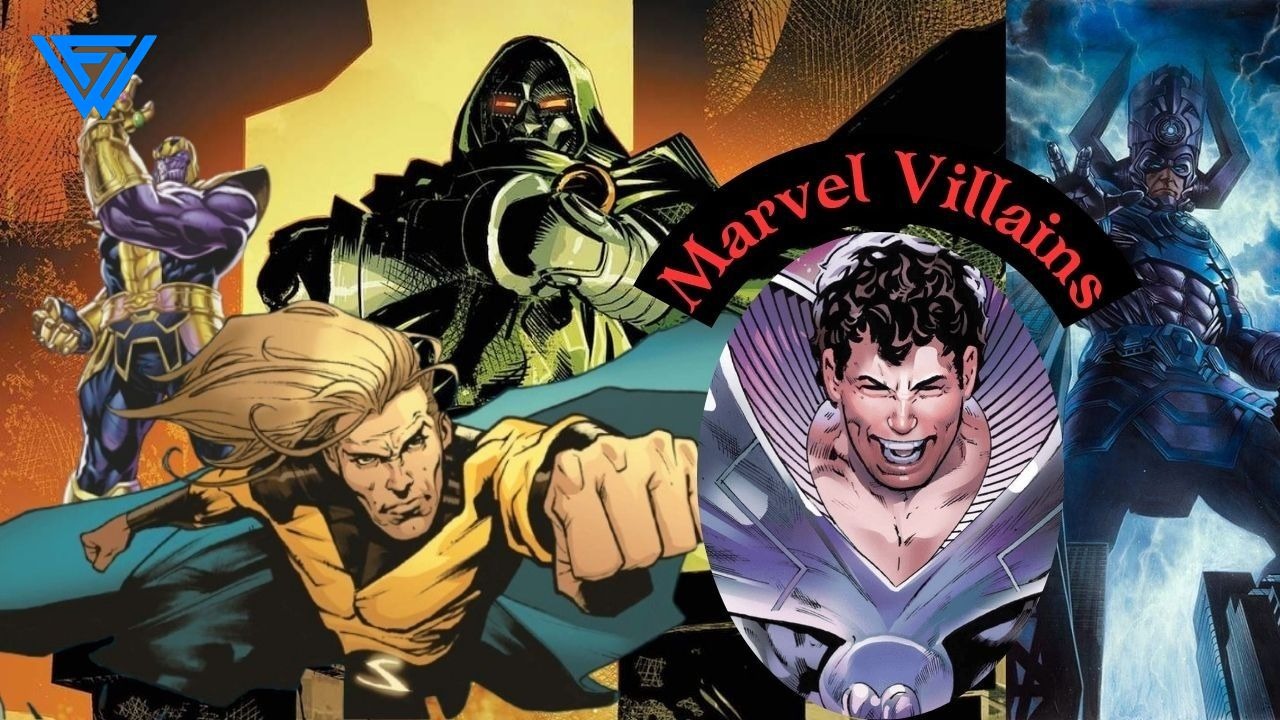
In the grand cosmic scale of the Marvel Universe, power of Marvel Villains is an illusory currency. Just like when discussing strength, we tend to think of “evil” on some sort of scale of physical power, the bigger the punch, the bigger the threat. But a thorough examination of the multiversal structure demonstrates a surprising paradox: the higher a creature’s power level becomes and approaches godhood more than its physical form is and the more its destruction evolves into the mental, conceptual and the worldly.
You need a better fighter to beat a street-level thug. If you want to beat Marvel Villains who can rewrite the laws of physics, you need a mirror. Here’s a blog at the ten most powerful architects of destruction in the Marvel mythos and the “thermal exhaust ports” that keep them from winning forever.
The Beyonder: The Child with a Loaded Gun
The Beyonder isn’t just a baddie, he’s an entire plane of existence. In his original form, he held powers far superior to that of all the Marvel multiverse combined. He could make Death cease to exist, in a snap of his fingers.
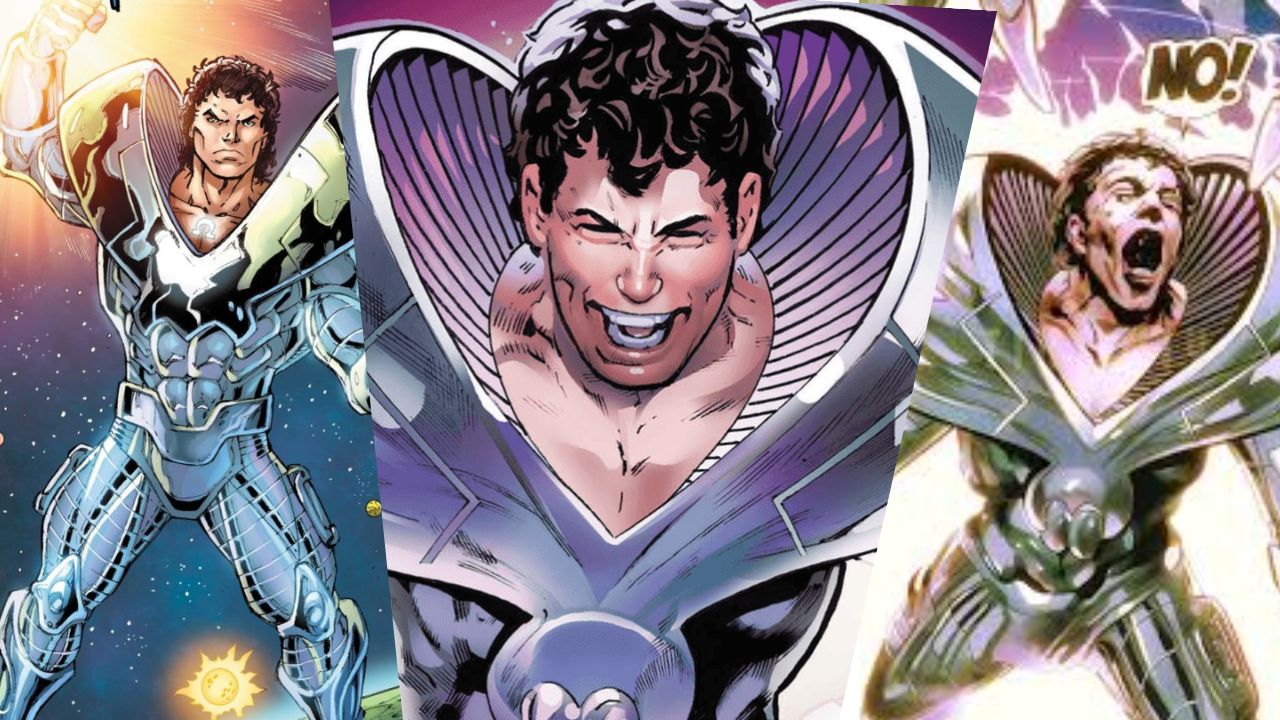
However, the Beyonder, despite his omnipotence, knew nothing of context. He was a god seeking to learn how to be a man, and thus was easily manipulated by simple feelings and mortal wishes. It was not a cosmic blast that finally took him down, but his own curiosity — he turned himself and that moment of self-imposed ease that his enemies used to put an end to him.
The Molecule Man (Owen Reece): The Anxious Architect
Matter and energy can be controlled by Owen Reece at the sub-molecular level, and he is capable of doing so through the multiverse. He has cradled an entire omniverse in the palm of his hand and served as the “battery” that powers multiple universes.
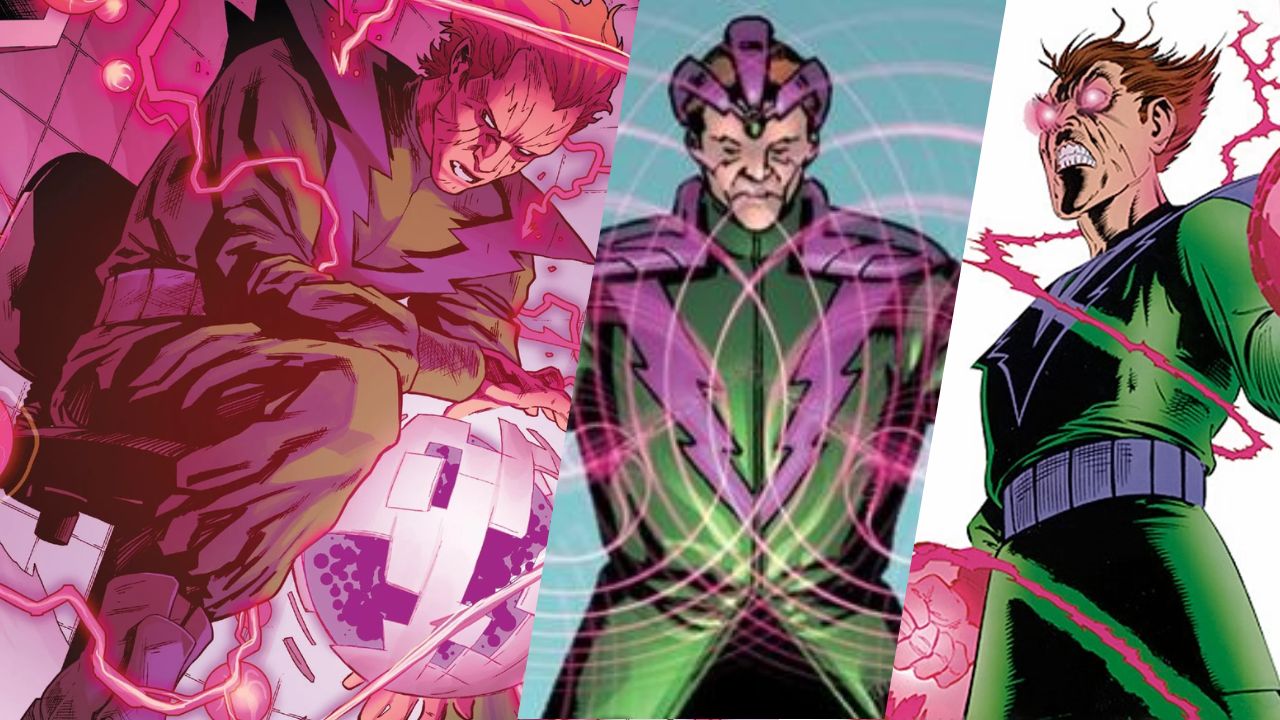
Owen is plagued by crippling doubts and anxiety. For a long time, he thought he was unable to manipulate organic matter simply because he thought he couldn’t, and his power levels as a reflection of his mental state. The young hero presented him with a three-week-old cheeseburger, he defected against a godlike Doctor Doom, which was his most humanizing (and humorous) defeat. His humanized desperation led him to lose the battle.
Thanos: Powerful Titan of Marvel Villains
Thanos is the benchmark for cosmic threats. Whether in possession of the Infinity Gauntlet or the Heart of the Universe, he is a tactical genius and able to fight on even terms with such abstract entities as Eternity.
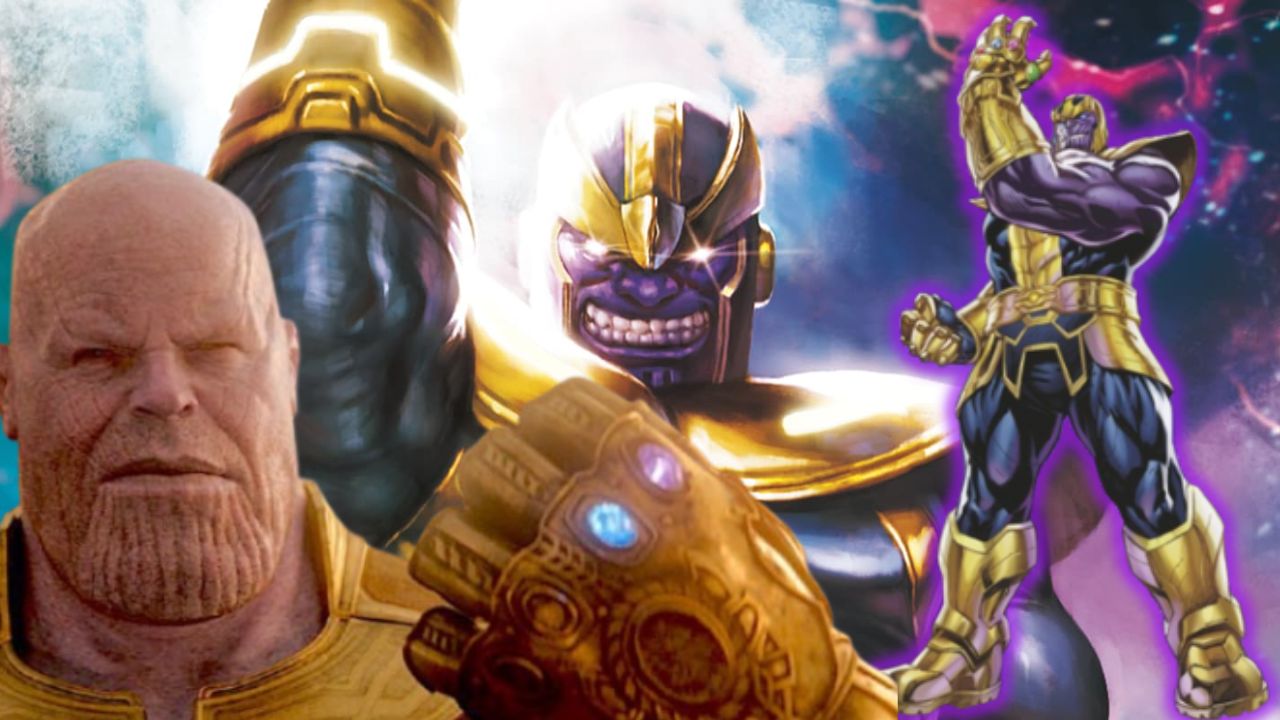
The most interesting thing about Thanatos is that he doesn’t think he deserves to win. In his nemesis Adam Warlock explains that Thanos always arms his enemies with what they need to kill him because in his core, he believes he’s not worthy of the ultimate prize. He is a god with an inferiority complex, who constantly seeks the validation of Mistress Death — a woman who regards him as nothing more than dead meat under her icy apathy.
Doctor Doom: Lost Against his Own Ego
Victor Von Doom is a man who has stared down the Beyonders—the architects of the multiverse and snatched their power to ascend as “God Emperor Doom.”
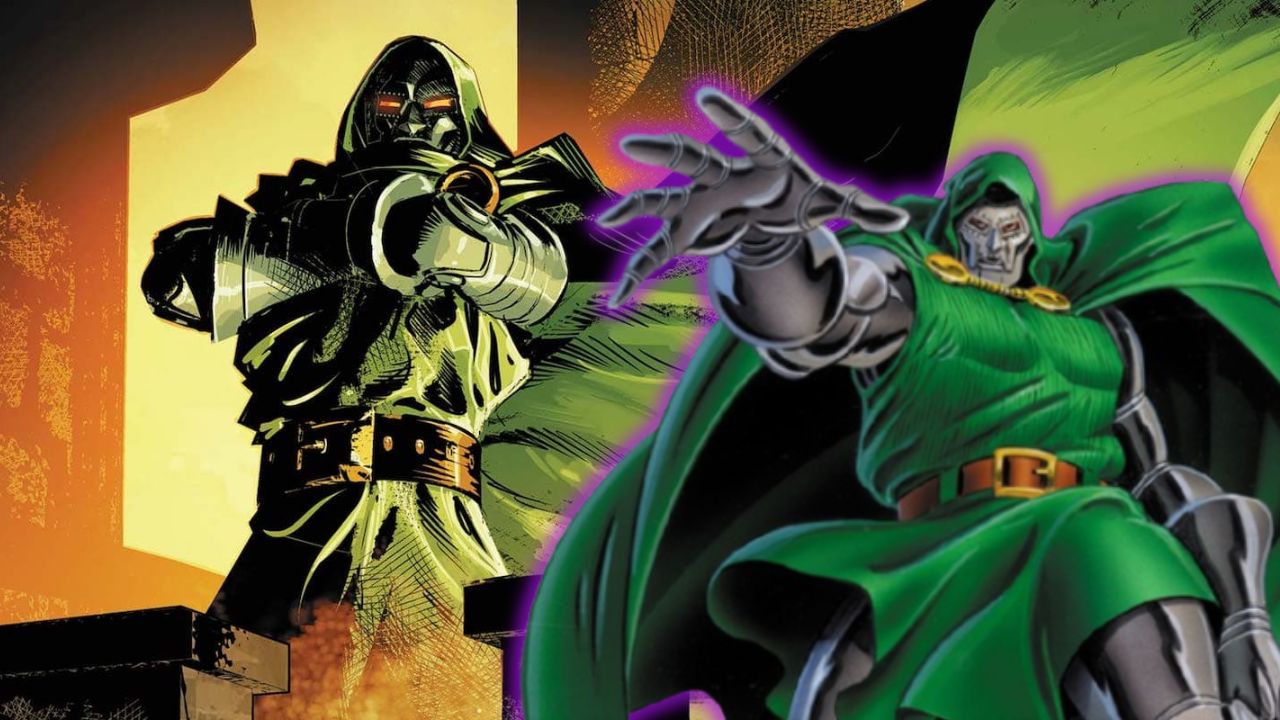
Doom’s undoing is always, invariably, Reed Richards. He is pathologically obsessed with the Fantastic Four’ leader. Even when Doom reigned as a god, his rule collapsed because he couldn’t relinquish the compulsion to prove that he was superior to Reed. What his vanity has a physical weight, he sees a tiny scar on his face as a horrific disfigurement, and even with the power of a god, one of the most powerful Marvel Villains is a slave to his own reflection.
Galactus: The Cosmic Hunger
Galactus is a holdover from the prior universe and a force of nature to be reckoned with. It’s not destruction born from hatred but destruction they must commit, they have no choice.
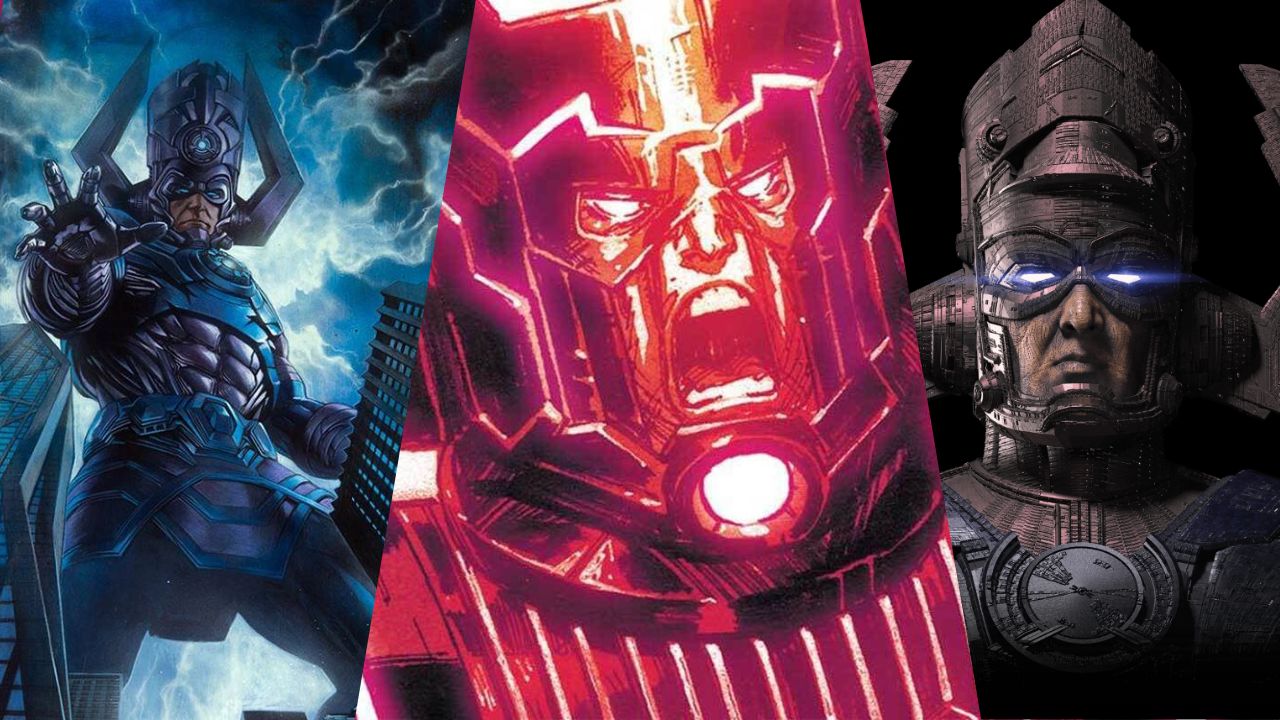
Galactus is a biological imperative. If he doesn’t feed on planets he becomes weaker. This “starvation” makes him susceptible to tactical luring and physical attack by inferior creatures. And he lives in terror of the Ultimate Nullifier, which can remove the idea of a target out of the fabric of existence — reminding us that even a “World Eater” has a predator.
Knull: The King in Black
Knull is the god of darkness in the Marvel Comics Universe and the darkness that existed before the light of the Big Bang. He is the creator of the Symbiotes such as Venom and he is demonstrated to be powerful enough to decapitate Celestials (the space gods of the Marvel Universe).
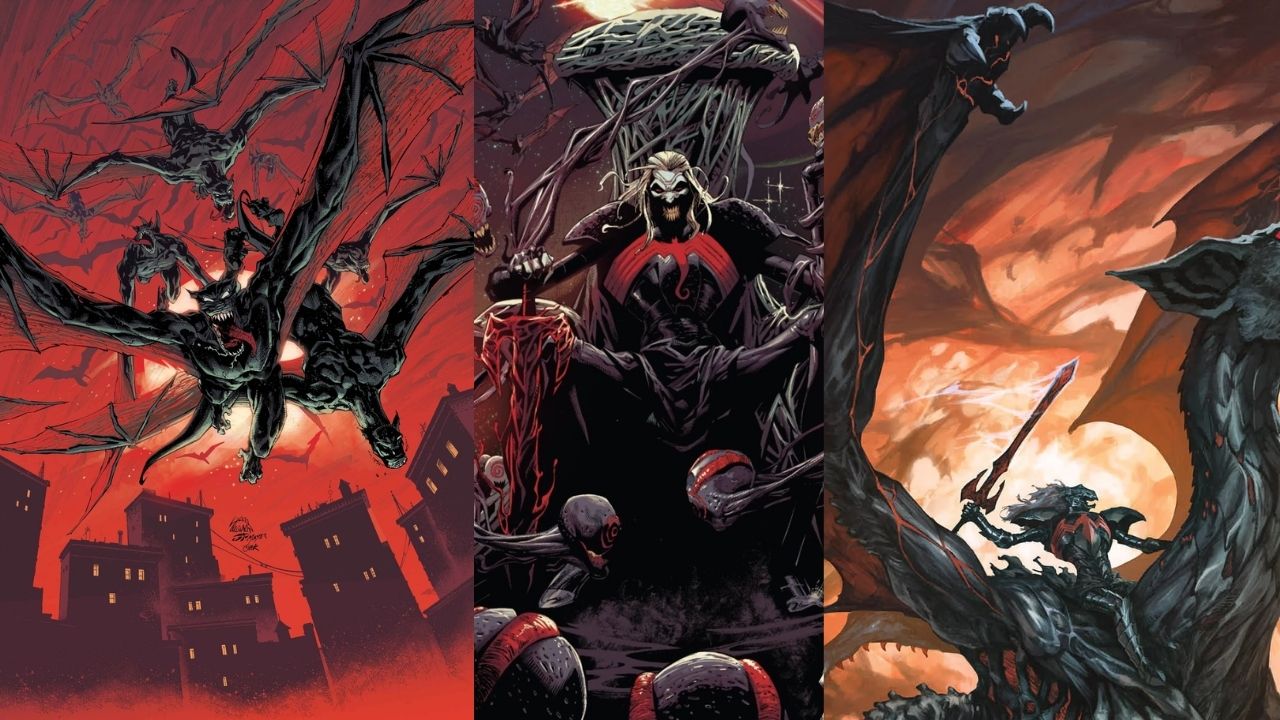
In addition to sunlight, Knull’s conceptual phobia is “The Light” – the Enigma Force, a metaphysical force of creation and life. He was defeated by that which he sought to extinguish at his pinnacle of triumph. It was proven that even ancient darkness could not survive a condensed flame of life when a human, who had bonded with the Enigma Force, caused Knull to lose his armor and hurled him into the core of a sun.
The Sentry: The God with a Shadow
Robert Reynolds has the “power of a million exploding suns.” He is a reality-warping immortal who can tear gods in half with his bare hands.
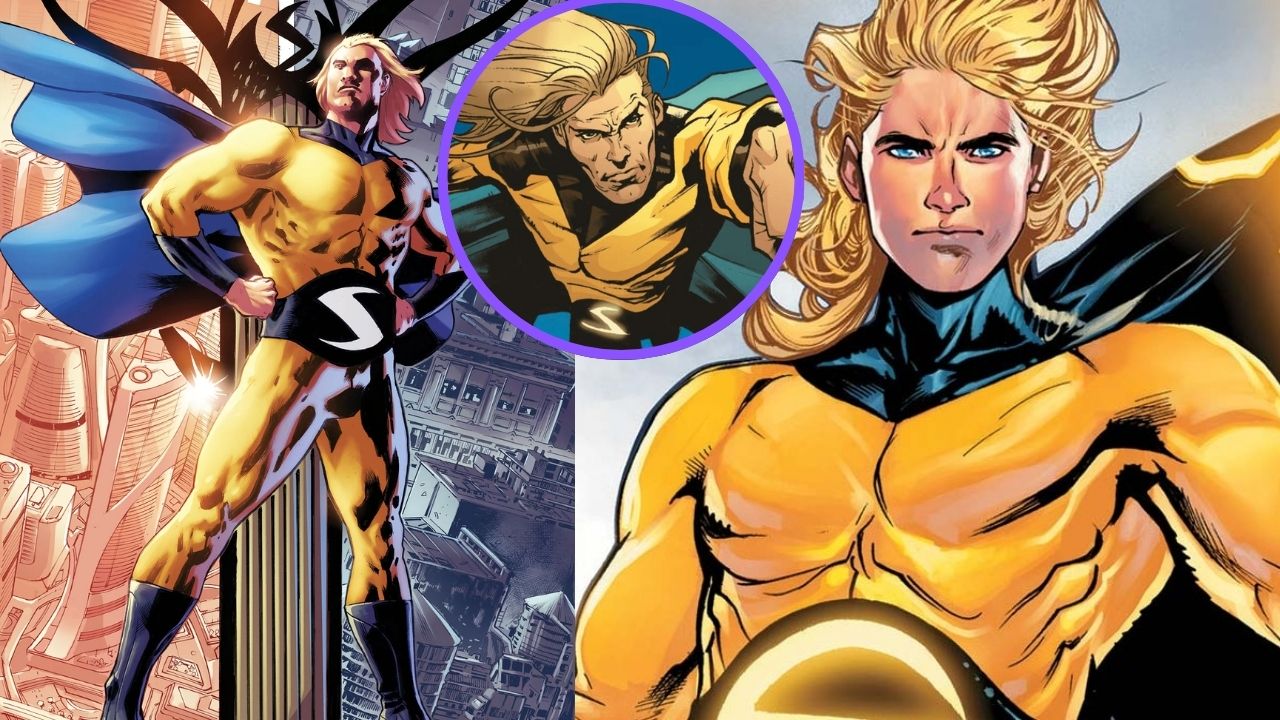
The Sentry’s power is intimately bound to his broken mind. Every good action is accompanied by a shadow twin that goes by the name of The Void. He is a man who frightens himself. His ‘villainy’ is frequently caused by being manipulated by those who provide him with some semblance of mental stability. He may be the only Marvel Villains on this list that has actually begged his enemies to kill him, demonstrating that the biggest threat to a god is his own mind.
The Phoenix Force: The Passionate Destroyer
The Phoenix represents life and psionic energy within the multiverse. At its “Dark Phoenix” level, it devours entire solar systems.
Phoenix is a philosophical entity that needs a biological host to operate in the material world. This creates a “bottleneck” of power. If the host is emotionally unstable or if the bond is torn apart by Chaos Magic (the polar opposite to the order the Phoenix embodies), the entity runs wildly. It can be shattered, diluted, and pushed to run away if the host has willpower enough to oppose it.
Dormammu: The Bound Tyrant
The lord of the Dark Dimension is essentially pure mystic energy and is vastly more powerful Marvel Villains than the typical “devil” of the Marvel Universe.
Dormammu is almighty, unlike lawless, but the same applies vice-verse. He is under the constraints of “The Vow” (a mystical pact that prevents him from directly coming to this dimension). This means he has to rely on agents and loopholes, which dilutes his power. Like a lawyer in hell, his greatest power is also his cage; he can’t betray his word without destroying the very core of his magical being.
Read More:- Ultimate Endgame: Why Marvel’s New Universe is Changing Everything
Kang the Conqueror: Caged in His Honor
Kang is a 30th-century warlord turned time travel master. He has all the fire power ever created and the tactical knowledge of every battle ever fought.
Kang isn’t just looking to win the day, he’s looking to show that he’s the best. He refuses to travel back in time and assassinate the Avengers when they are infants because a turn out without a fight would be meaningless to him. From some perverse sense of chivalry, he grants his foes a ‘fighting chance’. This aristocratic pride is the only thing that keeps the timeline whole, he’s a man shackled by his own hunger for a “fair” fight.”
Cosmic Vulnerabilities of Marvel Villains
| Villain | Core Power | Primary Weakness |
| The Beyonder | Absolute Omnipotence | Human Naivety |
| Thanos | Genius | Self-Sabotage |
| Knull | Darkness Leader | The Enigma Force (Light) |
| Doctor Doom | Science & Sorcery | Inferiority Complex (Reed Richards) |
| The Sentry | Psionic Reality Warping | Dissociative Identity Disorder |
The Fragility of the Divine Marvel Villains
The constant through these Marvel Villains is that absolute power is inversely related to stability. The big “monsters” in the Marvel Universe aren’t beaten because the heroes get a bigger gun but they’re beaten because they are deeply damaged people. Whether it’s Doom’s ego, Thanos’s guilt, or Galactus’s hunger, these gods are also the carriers of their own destruction.
Conclusion
The Marvel multiverse forces one truth on us: no Marvel Villains is ever truly beaten by force alone. The greater the power the more profound the weakness becomes — psychological, emotional, philosophical, or existential. These are creatures not beaten because heroes punch harder: they are beaten because they crack inwardly.
Godhood in Marvel is not freedom–it’s a prison of identity. The Beyonder falls to curiosity, Thanos to guilt, Doom to ego, Knull to light, and Sentry to his own mind. Marvel Villains don’t fall from outward loss, they fall from inward disintegration.
Funsterworld is a world of entertainment where you can find all the deeper details, character arcs, and movie updates.
About the Author