How Bill Hader’s Narrative Insight Forged the Success of Zach Cregger’s Weapons
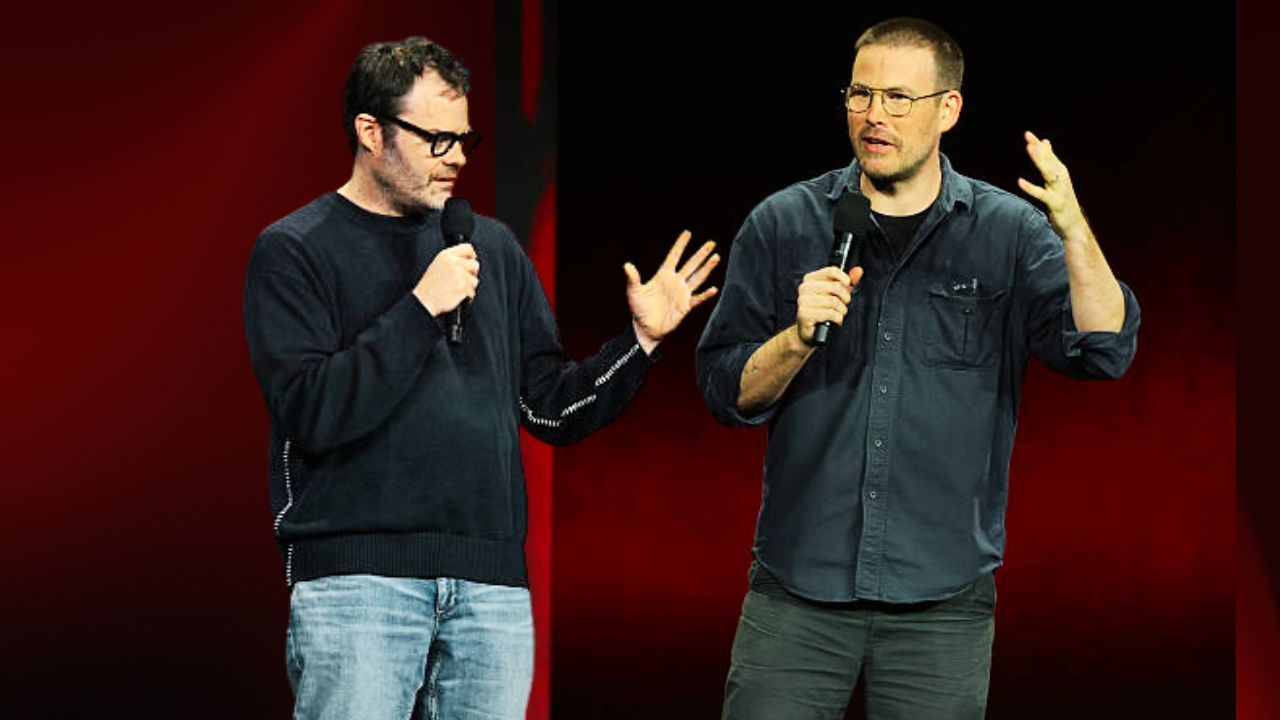
Zach Cregger’s new horror flick, Weapons, has been racking up praise and serious box office numbers — and part of that success comes down to one sharp piece of advice from Bill Hader. Yep, that Bill Hader.
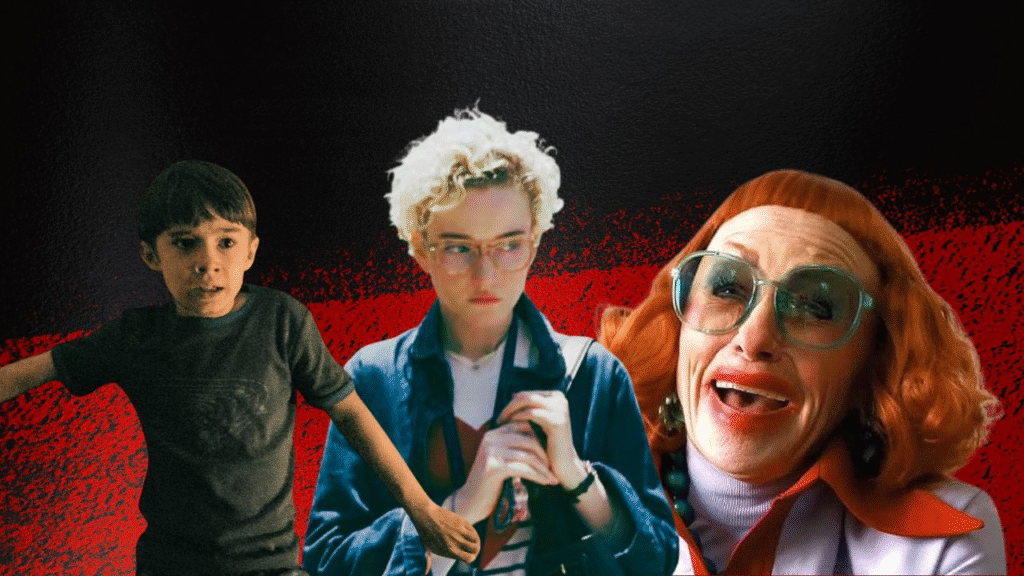
Here’s the story: when Cregger was working on the script, Hader suggested something deceptively simple — implicate Alex, the one kid who survives the film’s central event. Instead of being just a bystander, Alex (played by Cary Christopher) becomes tangled up in the story’s moral mess. That one tweak made him a much more layered, complicated character.
Without it, Weapons could have leaned too heavily on its supernatural premise. But by tying Alex’s survival to guilt and personal choices, the movie landed in a much scarier space — the horror of human weakness and moral compromise. Critics loved that angle, which probably explains why the film’s sitting at a 94% on Rotten Tomatoes and has already pulled in over $259 million worldwide. Not bad for a sophomore effort.
The Rise of Cross-Genre Collaboration in Modern Horror
So why did Hader’s note hit so hard? Probably because of his background. He’s known for comedy, sure, but with Barry he proved he could balance humor with darkness and moral tension. That sensibility carried over here, helping Cregger give Weapons its emotional teeth.
Instead of just creepy kids vanishing at 2:17 a.m., Hader’s idea made Alex complicit. In the finished film, Aunt Gladys pressures Alex into stealing personal items from his classmates — a chilling setup that ties him directly to the unfolding nightmare. Suddenly, the horror isn’t just about monsters or spells. It’s about choices, guilt, and the way evil exploits our flaws.
Cregger After Barbarian
For Cregger, this was the big follow-up to his breakout hit Barbarian. If you know him from his comedy roots with The Whitest Kids U’ Know, his shift into horror might still feel surprising. But Weapons shows he’s not just dipping a toe into the genre — he’s carving out his own lane.
Deconstructing Hader’s Mandate for Moral Compromise
The original enigma of Weapons is the Seventeen students of a class in an elementary school. Alex, played by Cary Christopher. Who never disappears after the seventeen students begin their journey from home at 2:17 a.m. The narrative needed some form of internal conflict or ongoing transgression to situate Alex’s special access to the event (and subsequent narrative reticence).
The Precise Hader Suggestion
Cregger revealed that the answer resulted from a conversation with Hader, his longtime friend and collaborator. Hader’s instruction was very particular and psychological: “You should figure out a way to implicate [Alex] so he feels implicated”.
Read More 👉 Leonardo’s One Battle After Another Receive Global Hit Mirroring Current Politics
The Evolution of the Inciting Action
Following Hader’s note, Cregger took on the idea of Alex actually stealing something for Aunt Gladys. It’s this plot point that was pivotal to the film, with Gladys menacing Alex and forcing him to collect mementos from all seventeen classmates as part of her rejuvenation spell.
Thematic Resonance and Critical Endorsement of Sophisticated Storytelling

The ethical murkiness created by framing Alex also made Weapons resonate with more nuanced questions of compromise, intergenerational guilt, and whether evil can exploit human frailty. The thematic richness of the film’s was often remarked upon by its critical reception. They also singled out the film’s “sharper emotional edge” and its multi-layered appeal, calling it “just as hilarious as it is chilling”.
It holds an outstanding 94% on Rotten Tomatoes. For a horror movie, especially one that comes after a huge breakout hit, that level of critical consensus is a testament to the director’s ability to tell a tightly wound and emotionally moving story, rather than one that relies on scare tactics alone.
Building a Defining Modern Horror Franchise
If Zach Cregger keeps riding this winning mix of psychological depth, genre scares, and layered human stories, the Weapons series is set to become a staple entry in contemporary horror. This demands constant narrative monitoring in hindsight, so that subsequent installments, like the now refined character arc of Alex, weigh complexity and emotional truthfulness over predictable shocks.
Conclusion
Bill Hader’s joke about “implicating Alex” wasn’t just a convenient plot device; it was a psychological play that took Weapons to another level. Cregger gave the character Alex a moral quandary and real guilt — he made him complicit in the crime by stealing merchandise for the villain, ensuring that the central mystery had the friction to support a layered, multi-key drama.
About the Author