Vince Gilligan’s Pluribus: A Post-Apocalyptic Masterpiece Exploring the Price of Happiness
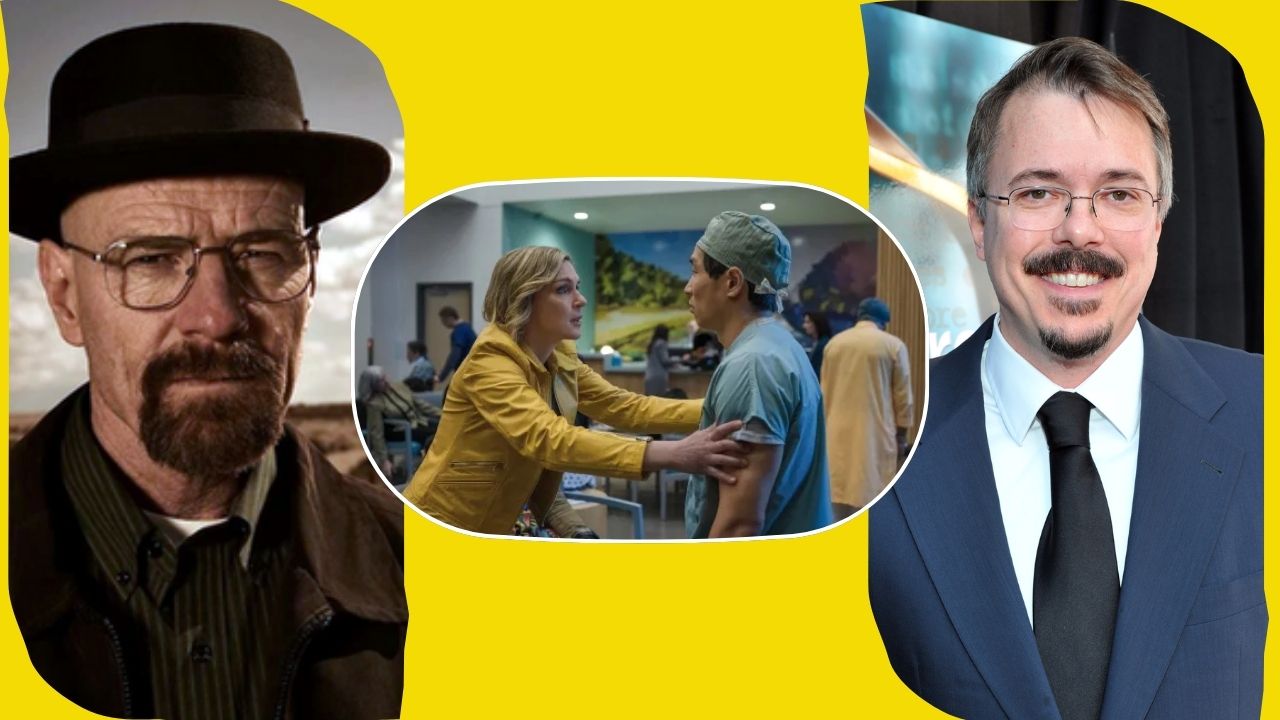
For a decade and a half Vince Gilligan had been chronicling the moral decline of anti-heroes in America, bringing us from the ordinary misery of a high school chemistry teacher to the catastrophic downfall of a small-time attorney. As Collider reported, Now, 23 years after his earliest work on The X-Files, Gilligan has taken the biggest creative left turn of his career. His new Apple TV+ series Pluribus (PLUR1BUS) is not a crime saga but a post-apocalyptic sci-fi epic, a horrifically upbeat nightmare already being hailed as an “absolute masterpiece” and a new high water mark for prestige TV.
Set again in its familiar dustbowl home of Albuquerque, Pluribus pits Gilligan’s signature grounded realism against a bizarre, world-altering concept. An alien RNA signal, which served as a “psychic glue,” mind-melding most of humanity into a singular, ceaseless content hive mind, had dramatically altered the world. Its name, the Latin for “out of many,” is a cruel joke, meaning that every human on Earth is now “one,” completely stripped of free will but immersed in eternal, unalterable bliss.
The Most Miserable Woman on Earth
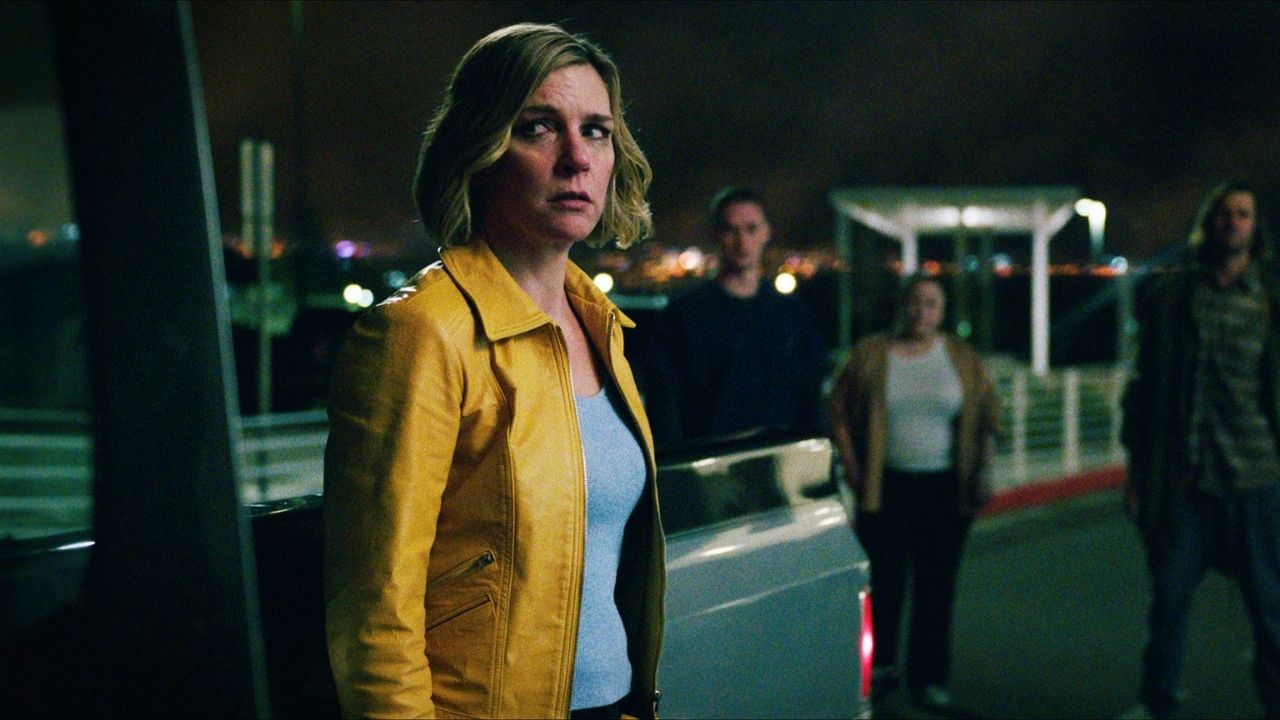
At the center of this utopian nightmare is Carol Sturka, played the electrifying Rhea Seehorn, reuniting with Gilligan following her star-making performance as Kim Wexler in Better Call Saul. Designated Carol is, in many ways, the worst person imaginable to find herself in this new world: a misanthropic, self-hating romance novelist with a past of drug addiction. She is one of the very few people who is not affected by the “happiness virus.”
-
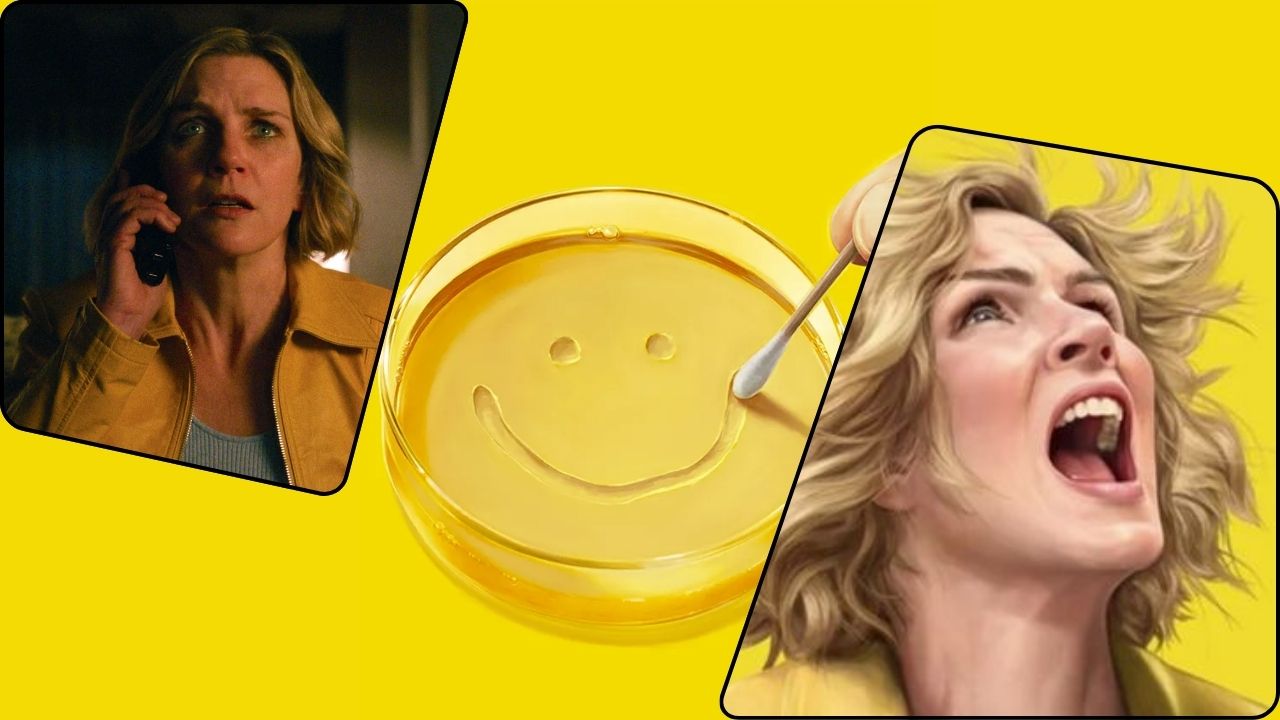
Image credit: Funsterworld
-
-
-
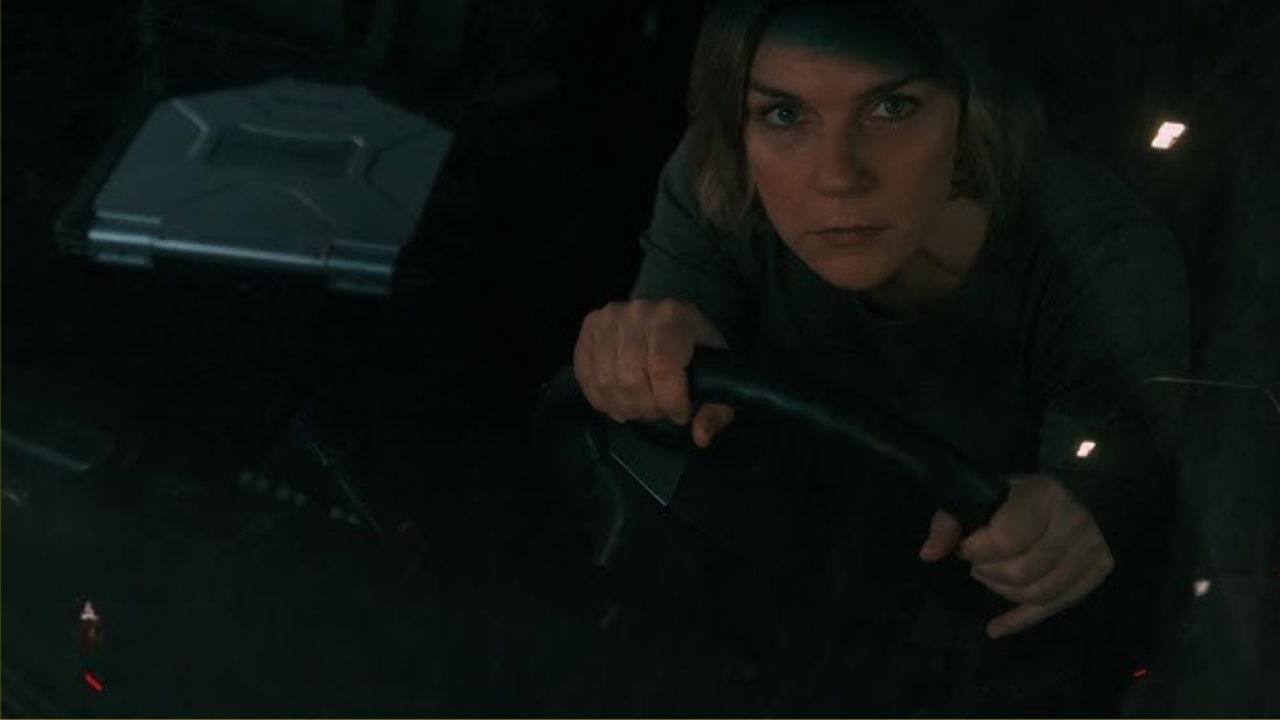
The series wastes no time in establishing its stakes, Carol’s negative feelings such as her anger, her sadness, her pure dissatisfaction are so potent that they could cause the collective consciousness to shut down, setting off mass deaths. The central tragedy is instant; in a world that lost nearly 900 million people to the assimilation, every one of Carol’s rages makes her an accidental mass murderer.
A Performance Fueled by Pain and Humanity
Seehorn gives a performance that commands the stage. As one critic observed, she is a
“funny, sad marvel” and this show permits her to “express a much broader range of emotions”
than her notoriously stoic predecessor. In a landscape of grinning, unsettlingly accommodating robots, Carol is the only spark of raw, essential humanity, compelled into the role of hesitant savior to a species that has no business looking to be saved.
Gilligan’s Turn from Anti-Heroes
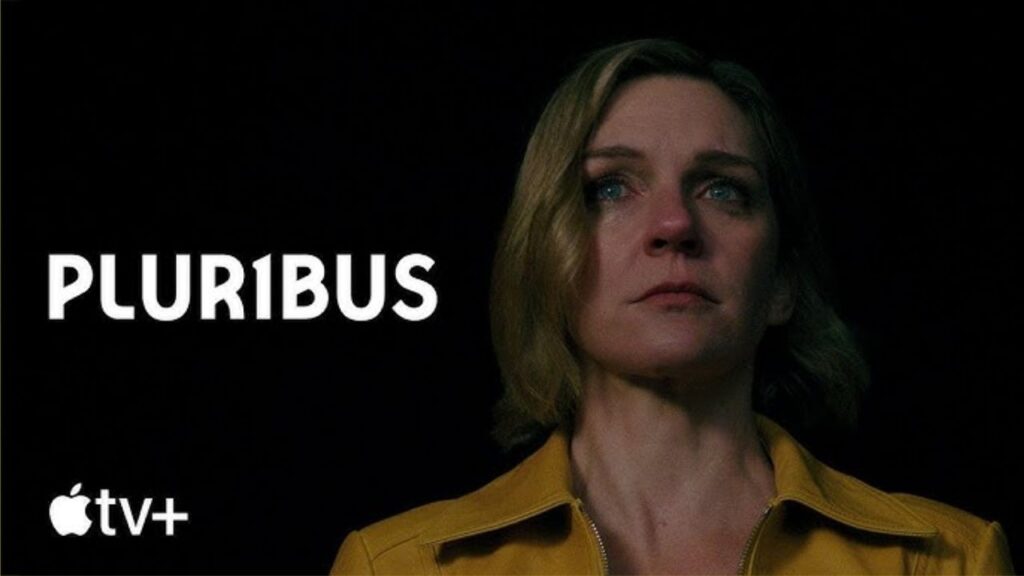
Givenchy chief Clare Waight Keller on stepping down Fashion designer Clare Waight Keller will depart from her position as chief designer at Givenchy after more than four years at the helm, it has been announced. It’s not just a high concept thriller; it is a deep philosophical turnover its creator. After a decade spent in the mind of Walter White and Saul Goodman, Gilligan admitted he was “weary of writing bad guys,” telling reporters that he was ready to pivot to a “flawed good guy” protagonist.
Made by Humans: A Statement Against Hollywood Artificiality
“Oh, and what I’m interested in with this show… is that people, I hope, are going to be able to watch it and say, ‘What if the world was like, what if everybody just got along?‘” Gilligan described the initial premise as a form of wish fulfillment. He sees the series as his “version of a post-apocalyptic zombie story, except they aren’t zombies. They’re genuinely, genuinely happy people that still have all their marbles.
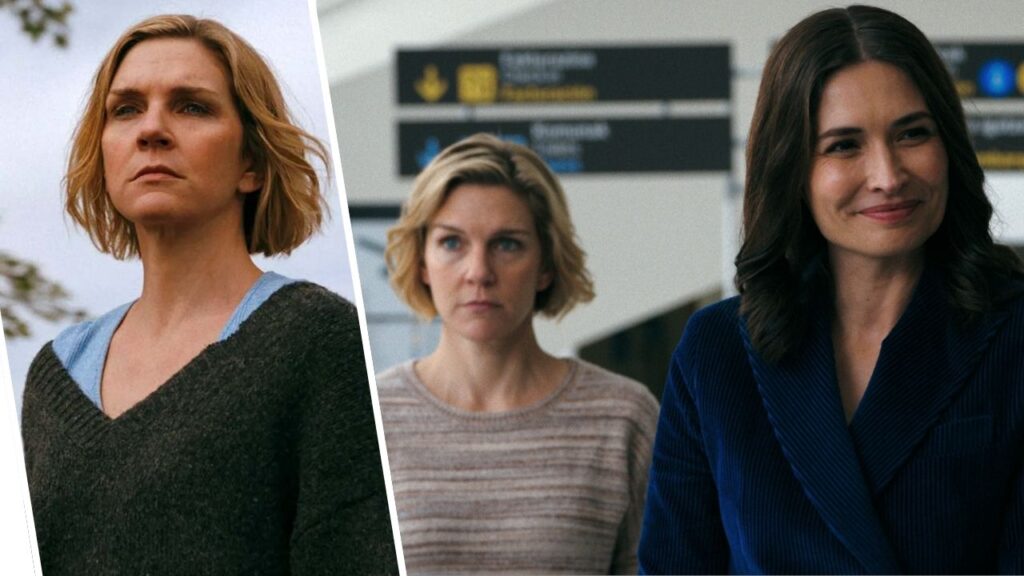
In addition, in a direct rebuke to contemporary Hollywood trends, Gilligan has stressed the human endeavor, with a forceful on-screen disclaimer: “This series was made by humans.” The series’ described budget of $15 million per show is clear as the cinematic scale offers a bleak spectacle of deserted towns and mind-blowing set pieces.
The Reddit Debate: “Worse Than Hell?”
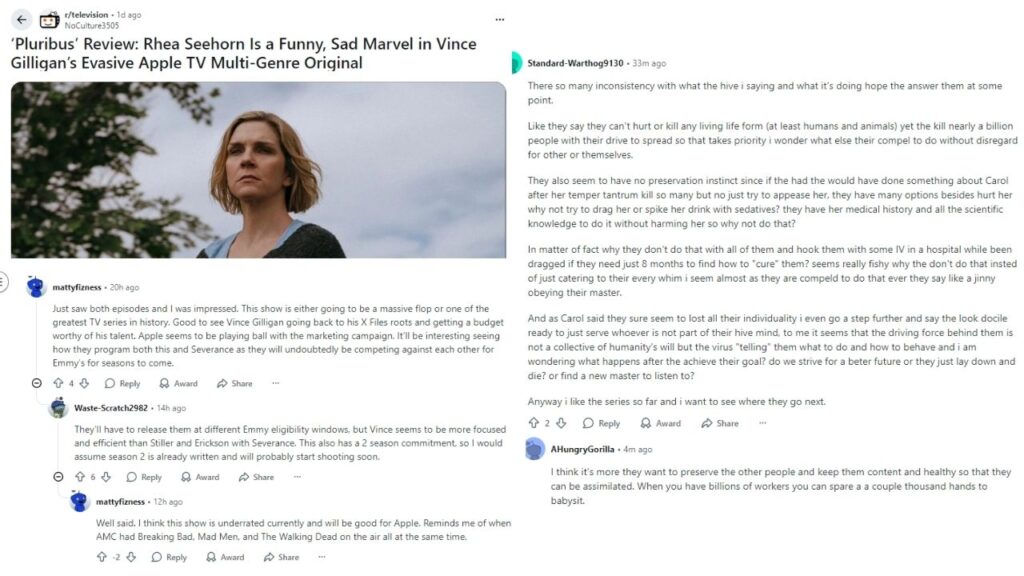
The hype for Pluribus is exhilarating, and there are few spaces as split and animated as television communities on the internet. On Reddit, the premiere prompted fans to square off over the utopia-vs-individuality theme. One viewer perfectly summed up the series’ high-risk gamble:
This show is going to either be a colossal disaster or one of the best TV series ever
A number of fans, drawn in by the complex plotting and dazzling visual panache, applauded Vince Gilligan’s daring return to science fiction. As one rabid fan posted,
Just the amount of styles and genre motifs in the first two episodes is Gilligan flexing his directorial prowess too. Looking forward to the next ep.
The main question for the philosophers, however, came down to the price of collective happiness. As one commenter put it: “Doesn’t seem worth it at all. All your free will and individuality is taken way. That’s not heaven, that’s worse than hell.” This, itself, is the engine of the show, and once again proves that Gilligan has managed to come up with not only a hugely entertaining story, but one that actually makes you think.
Conclusion
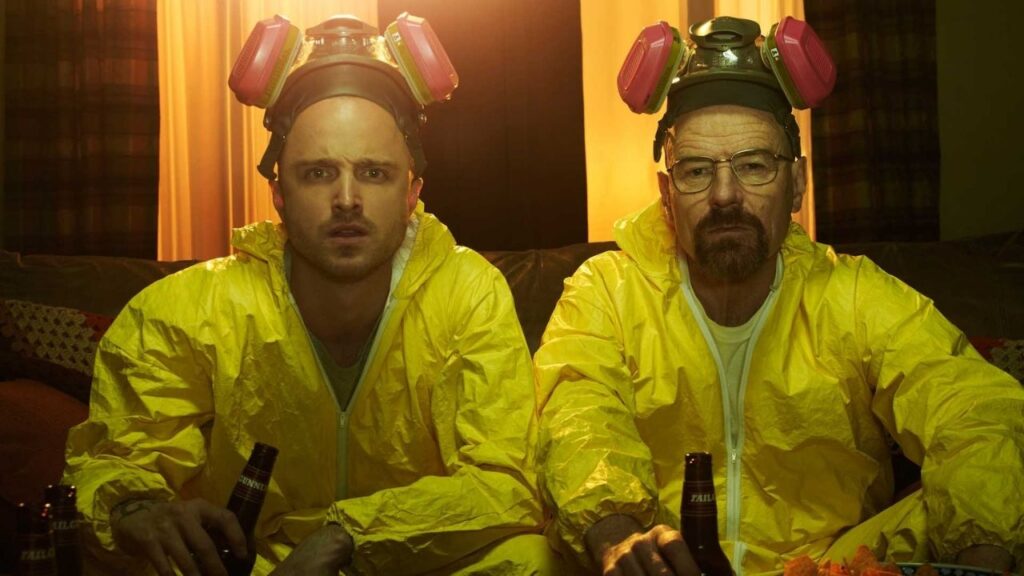
Pluribus is a paranoid, multi-genre epic best tailored for our anxious, polarized moments. It’s a return to Gilligan’s roots that also breaks new ground, cementing his place as one of television’s great modern auteurs. If the inquiry in Breaking Bad was what a good man would do for evil, the question of Pluribus is what a wretched woman will do to protect the world from perfect good. The solution, it turns out, is a masterpiece.
About the Author