James Cameron Says the Oscars Overlook Science Fiction
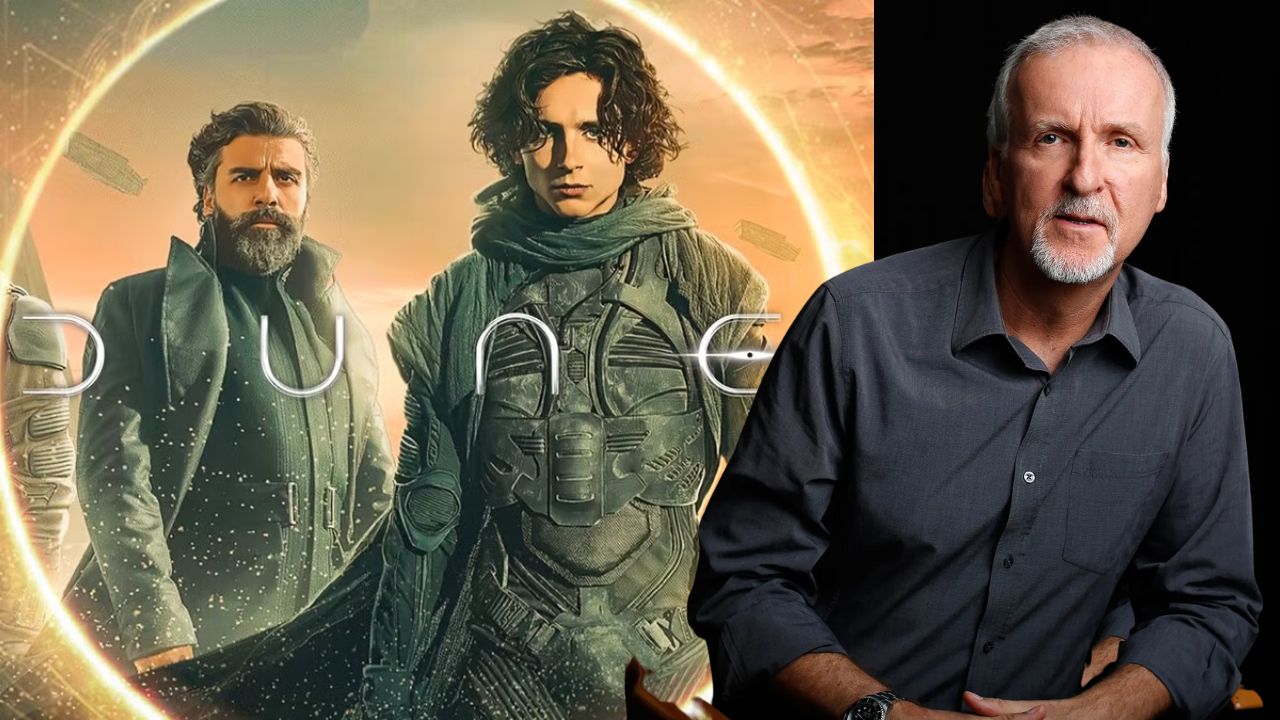
There is a strange irony to the film industry’s highest institution—its evaluation of science fiction has been riddled with skepticism usually reserved for avant-garde films. James Cameron, perhaps the most successful architect of science fiction cinema and a vocal critic of this glaring omission, has been, and his frustration lies at the heart of what it means for our industry to value certain types of storytelling over others.
The Pattern of Overlooking Sci-Fi Excellence
Cameron doesn’t hold back while explaining the Academy’s science fiction film stance. He has always said the Oscars
“don’t really tend to salute sci-fi films and that the genre is pretty much never appropriately recognized in the big awards categories.”
This is not moaning from a bitter filmmaker, but a reflection which arises from witnessing for years fantastic sci-fi getting left out in the cold while more traditional dramas bagged statuettes.

With the finest contemporary example of this prejudice being itself: Denis Villeneuve’s wonderful Dune films. These aren’t tiny indie films or niche experimental installments—they are big, visually pioneering sagas that have grossed over a billion dollars apiece and garnered critical acclaim across the board. And yet Villeneuve has been conspicuously snubbed in the Best Director category a number of times, despite these films going on to pick up multiple Best Picture nominations.
The Dune Dilemma: Technical Brilliance Unrecognized
Consider the figures. Dune: Part One was nominated for 10 Oscars and won six, sweeping the technical categories. According to Screenrant, That’s a fantastic success by everyone’s estimation. But here’s the bias for all to see: not a single Best Director nomination for Villeneuve, in spite of all that technical praise.

When Dune: Part Two finally came out, it was yet more polished, more ambitious in its storytelling, and widely regarded as better than film one. Yet history repeated itself – Villeneuve was once again snubbed for Best Director, even though the film garnered a Best Picture nomination and took home Oscars for Visual Effects and Sound.
This trend sheds has a depressing meaning for voters in the Academy. They are happy to applaud the technical wizardry that underpins sci-fi filmmaking — the revolutionary infrared cinematography in Dune: Part Two, the breathtaking visual effects, the ingenious sound design. But they appear hesitant to give the director credit for guiding these huge, complicated endeavors. It’s as if the Academy considers sci-fi success to be something that “makes itself,” as Cameron put it sarcastically
“As if the director merely points cameras at computers and magic happens.”
A Deeper Critique of Industry Bias
Cameron’s frustration is rooted in a broader philosophical question. For years, the Academy has been operating under an unspoken assumption that “real” art cinema, dramas with intimate moments between human beings, narratives driven by characters, emotional fragility could not exist alongside the spectacle and frenetic pacing of science fiction.
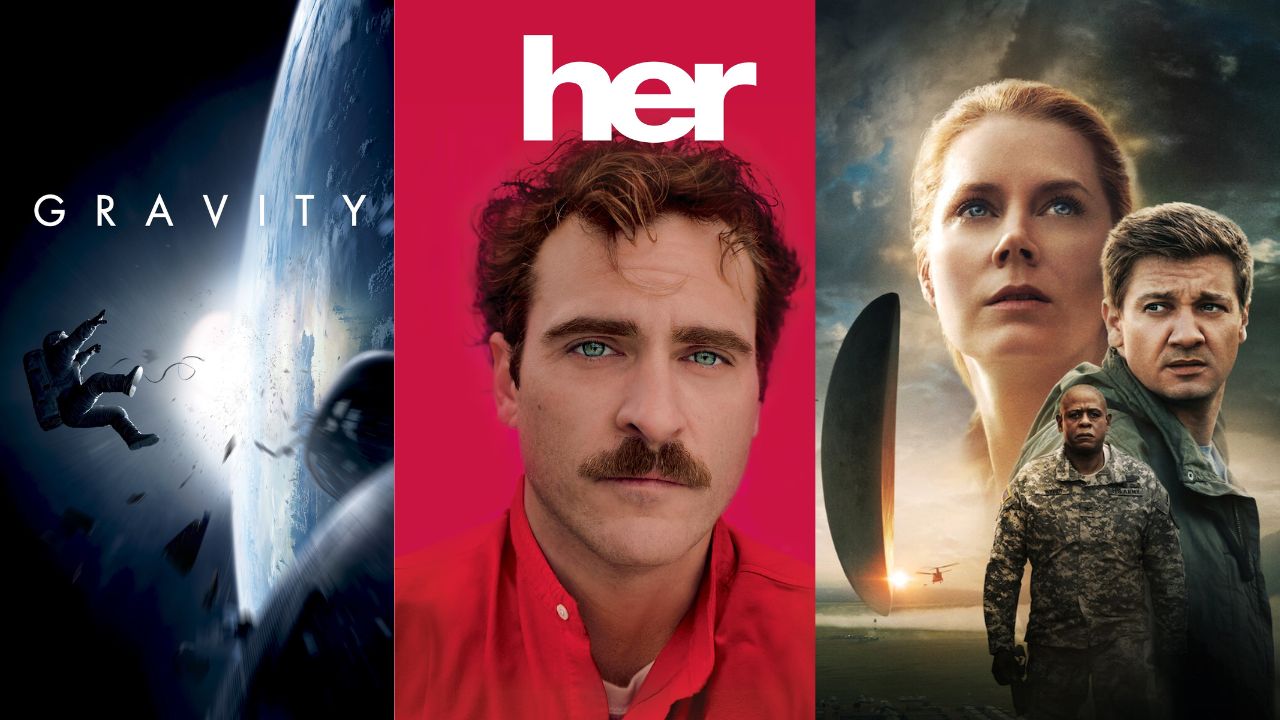
This remains the case in the face of overwhelming evidence that it is not so. Movies such as Arrival, Her, and Gravity have shown that science fiction can plumb great human themes as well as any prestige drama.
What makes Cameron’s perspective so valuable, however, is that he has lived through it. He has been writing science fiction for four decades, bringing a perfect blend of spectacular world-building and deeply human stories. He knows that the difficulty of directing Dune — juggling enormous casts, coordinating practical effects across desert landscapes, keeping audiences emotionally engaged in a dense narrative calls for a once-in-a-generation directorial talent.
Read More 👉 Tom Cruise Movie Genre Transformation: From Action Savior To Wild Comedy
Conclusion
The tragedy of the Oscars’ sci-fi blind spot goes far beyond Villeneuve not winning a statuette. It’s what the bias tells filmmakers around the world: if your story just happens to have aliens, space travel, or futuristic technology, voters will think it’s essentially a technical exercise instead of an artistic one. That disincentivizes ambitious filmmakers from working in the genre and undervalues sci-fi stories across the broader film landscape.
Cameron’s willingness to speak that hypocrisy matters. Cinema’s future will be defined more and more by sci-fi themes and tools. By continually snubbing sci-fi directors, the Academy risks becoming irrelevant to the art form it pretends to honor.
About the Author