The Maze Runner Trilogy Starring Dylan O’Brien Is Now Streaming on Netflix
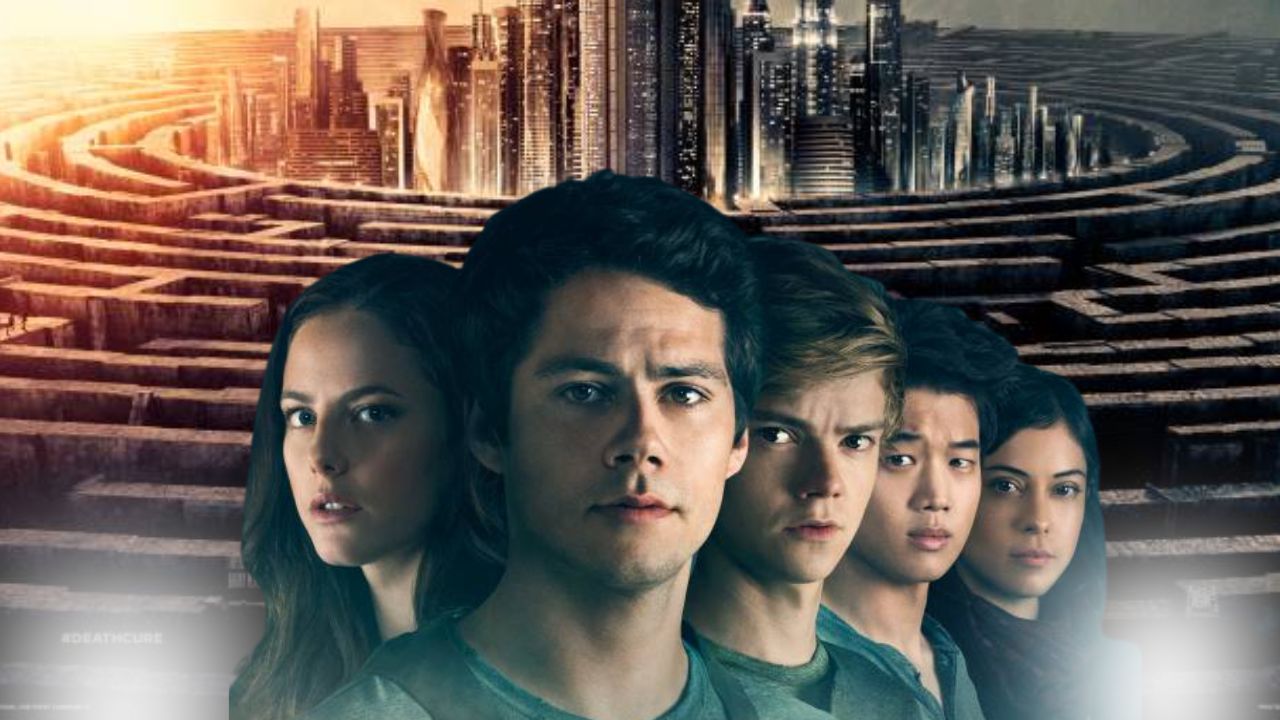
Dylan O’Brien’s best trilogy – The Maze Runner (2014), Maze Runner: The Scorch Trials (2015) and Maze Runner: The Death Cure (2018) coming to Netflix means one of the most popular and successful YA sci-fi series of the 2010s makes a comeback. The fascinating irony of the saga’s enduring success was that a lot of it took place behind the critical curtain away from its peers, and whose smart, frugal filmmaking, breakneck pacing, and, above all else (and perhaps most surprisingly), delivering the goods when it came to a full-fledged high-risk narrative.
Dashner’s Maze Runner series of novels, The Maze Runner was the most recent to come out in this crowded genre field, and was distinguished by its high-concept premise and lean execution. The full trilogy being available on Netflix is now a testament to its enduring appeal as a “fan-favorite saga” that still attracts audiences worldwide.
Critics noted that the premise of the story was reminiscent of traditional concepts of breakdown of society and survival, likening it to the savage mechanics present in William Goldberg’s The Lord of the Flies and to the existential terror found in Jean-Paul Sartre’s No Exit.
The Maze Runner (2014) kept viewers on edge by dropping its lead, Thomas (Dylan O’Brien), straight into the Glade, an enclosed, walled-in compound where the boys live in a rudimentary, self-governed society. This culture of compulsory teamwork and collective memory loss with the additional menace of mechanical Grievers – reached powerful thematic depths.
A Comparative Genre Analysis of YA Adaptations
The Maze Runner’s legacy is ensured not only by its own success, but by its staying power relative to its direct competition during the mid-2010s dystopian film frenzy.
The huge success of The Hunger Games ($2.9 billion gross) created a frenzy for similar properties. The Maze Runner captured this spirit and was broadly regarded as the closest Hollywood came to The Hunger Games in terms of critical mass and cinematic momentum.
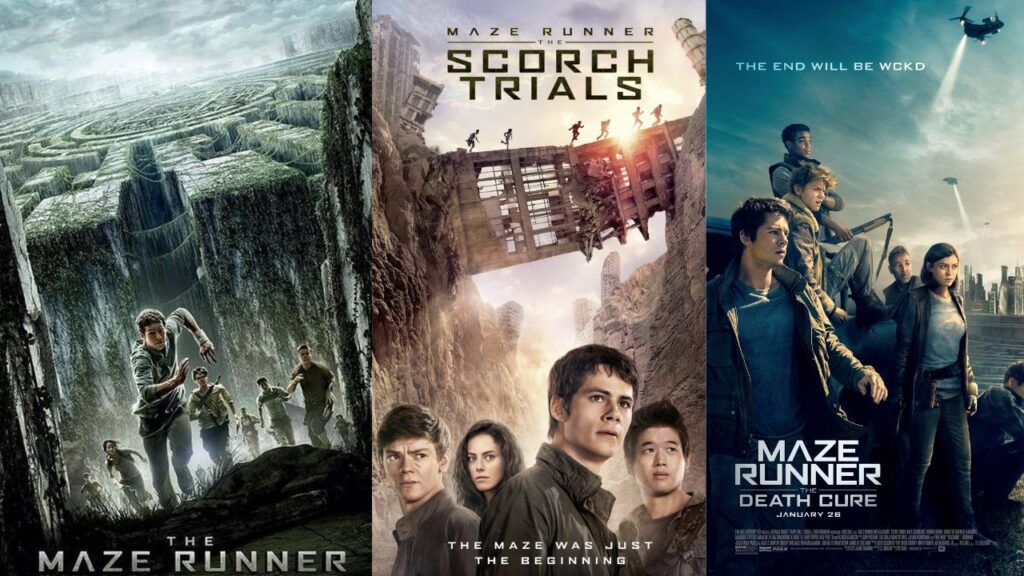
But the defining differentiator is narrative completion. The closest The Divergent Series seemed to be competing with was initially The Hunger Games – with slightly similar themes of authoritarian government and fascism. However, Divergent rapidly saw its box office “cratering” and, critically, the series let fans down when the final film was canceled due to financial underperformance.
Meanwhile, The Maze Runner caught good air and crossed the finish line. For all the risk and cost of putting out the laggrossing film last, the franchise gave Thomas (and the Gladers) a clear ending. That commitment gave fans a complete, satisfying storytelling arc, making the trilogy an inherently safer, more rewarding investment of viewing time than the fractured franchises left hanging in the genre’s downturn.
Read More 👉 Predator: Badlands — Dan Trachtenberg’s Bold Reboot Turns the Hunter into the Hero
The Creative Blueprint — Wes Ball’s Vision and Visual Storytelling
Wes Ball, who made his feature debut with the 2014 film after previously drawing attention for his visual effects work, brought a fresh perspective to the production. His experience enabled the franchise to build “immersive worlds” by tactically blending practical effects with CGI.
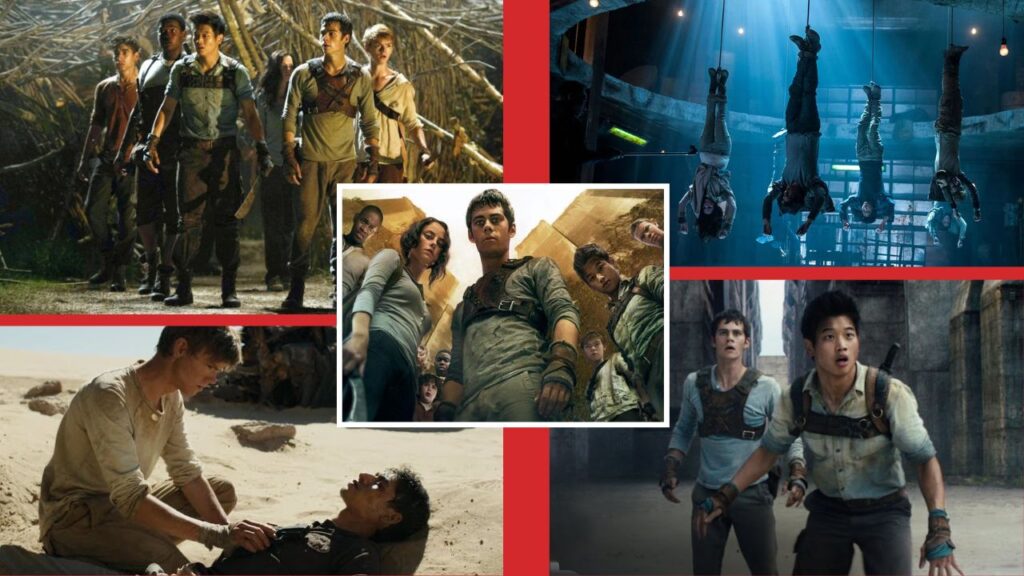
Such strategic visual budgeting allowed the filmmakers to maintain a consistent look and feel throughout the series of major production values that offered up a generous level of goof-off factor even as the storylines became convoluted. Ball’s economical, critically acclaimed work led him to big franchise fare, the Kingdom of the Planet of the Apes.
Casting and Complex Themes
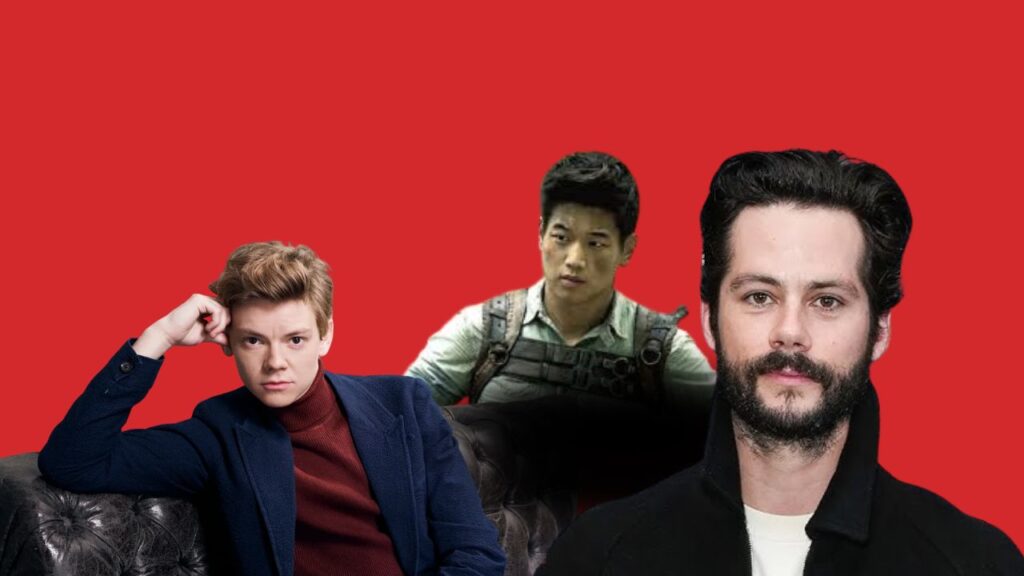
The strong ensemble and character chemistry was the emotional core that the critics loved, though they questioned other elements. Casting Dylan O’Brien is the key factor for the massive success of the franchise. He was the quintessential YA rebel and brought a great deal of charisma and emotional depth to a character that successfully carried three increasingly explosive action movies. The rest of the cast, Thomas Brodie-Sangster (Newt), Ki Hong Lee (Minho) and more was rated as some of the best young adult novel-turned-movie casting so far, lending us believable relationships and high-stakes survival.
The trilogy’s thematic substance is built upon the extreme ethical quandary of WCKD (World in Catastrophe: Killzone Department). WCKD is to put teens through torturous trials to find a cure for a worldwide pandemic, the Flare virus. The films continually interrogate the teenagers’ fear of and resistance to these distant, cold adults in power.
The story adds nuance by depicting WCKD not simply as evil, but as an agency devoted to rescuing humanity, through monstrous methods. Keep the agency evilness grey not turning to the darkness entirely, taking the series to the next-level of thought provoking science fiction.
Conclusion
The Maze Runner trilogy received great commercial success and critical appraise of 2010’s best YA adaptations because of its dynamic action, and a contained story arc. Its present re-release on Netflix is a strategic play to benefit from its full, binge-friendly story and worldwide appeal. The breakthrough record of viewers influenced the franchise to move forward on the thoughts of the next part.
This major Netflix buy is a significant curtain-raiser for the next stage of the franchise. Stream engagement numbers also will serve as a key barometer to gauge the global fanbase and energize it, which will help mitigate market risk going into the new continuation.
About the Author