Marvel’s 6-Part Thriller ‘Secret Invasion’ Is One Of Its Darkest Stories Yet
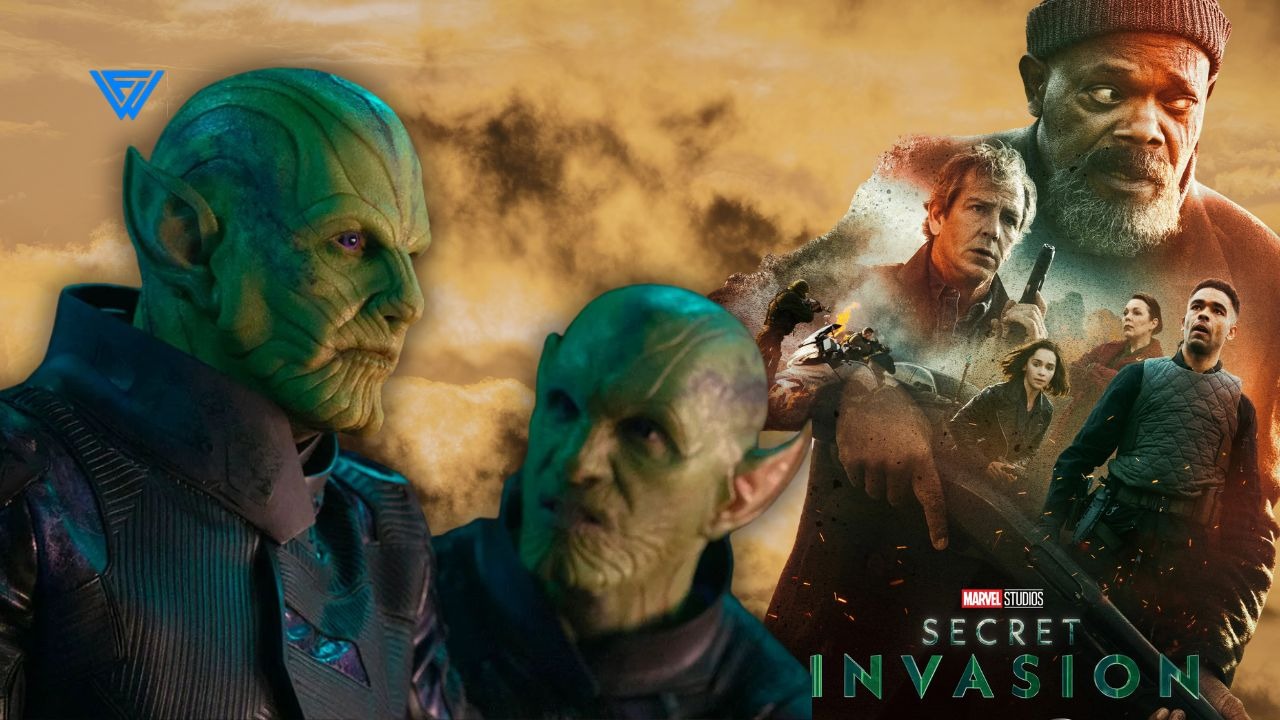
If you’ve been following the Marvel Cinematic Universe for a few years, Marvel’s 6-Part Thriller — Secret Invasion, Billed as a 6-part espionage thriller, this Disney+ miniseries took the MCU into decidedly murky, uncomfortable territory. There’s one fact that is inescapable whether you thought the execution was perfect or that it ended up just fumbling its way across the finish line: Among the darkest and most cynical tales that Marvel has ever put on the big screen is Secret Invasion.
Let’s take a closer look at how this 6-part thriller went against the principles of the MCU and why its dark, exhausting tone still lingers with us.
Stripping Away the Superheroes
Secret Invasion delivers its message straightaway: don’t expect any cavalry. Nick Fury (the great Samuel L. Jackson), who’s been the man with the plan for the past decade. He could call up a helicarrier, bring the Avengers together, and call Captain Marvel. But when we meet again with this series’ Fury, it’s a pale shadow of what he used to be. He’s been holed up in space, escaping the trauma of the Blip and the pledges he made decades ago.
And when he does finally return to earth, he is limping both physically and emotionally. He doesn’t even wear his signature eyepatch in most of the series, a visual signal that the guards are lowered and the Nick Fury impenetrable myth is broken.
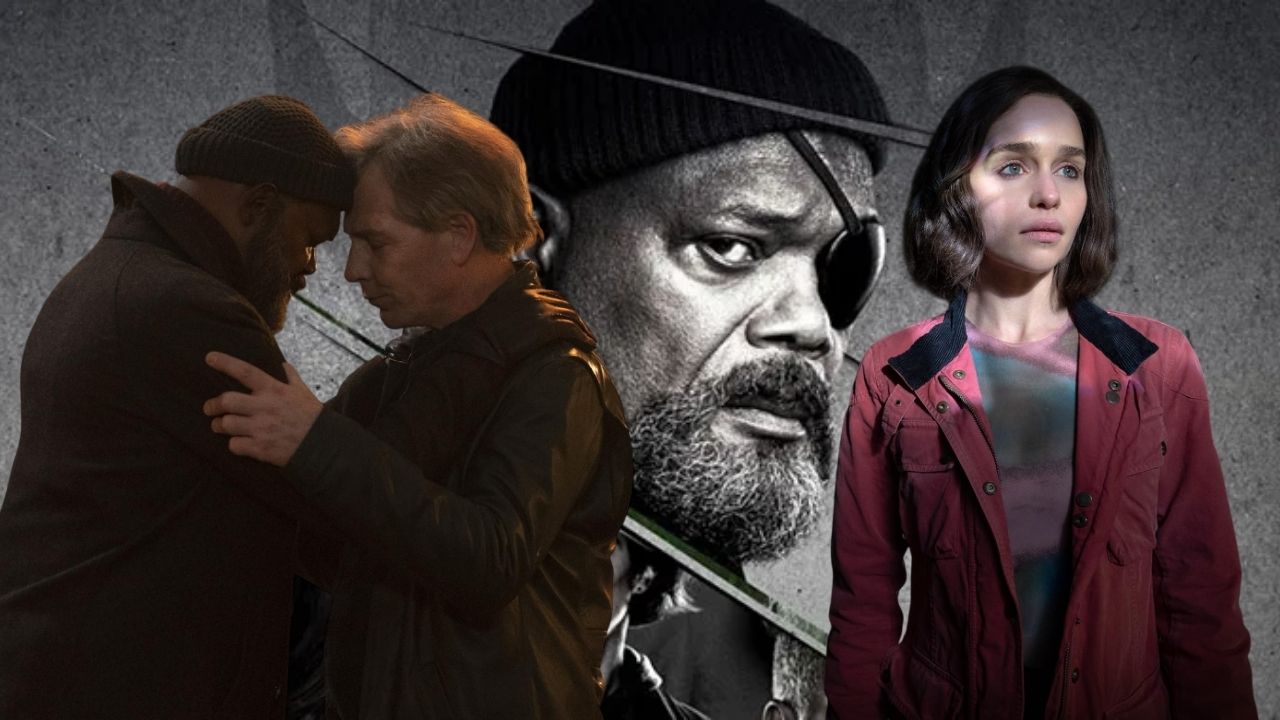
Here, the creative team took a gamble, opting to base the fight on human (and Skrull) vulnerability in a world with real gods, wizards, and super-soldiers. Fury refuses to call the Avengers this time, saying it’s his mess and he has to clean it up. The stakes are immediately raised. We’re watching a tired, human man try to outsmart an invisible opponent rather than an epic clash of unstoppable titans. It sets a dreary, tight mood right away because of obvious frailty.
The creative team went with a bold decision here. In a universe with literal gods, wizards, and supersoldiers, they elected to make the conflict hinge on human (and Skrull) frailty. Fury flat out refuses to bring in the avengers, stating that this is a mess he made, and is going to clean up. It immediately raises the stakes. Rather than watching unattainable titans battling, we are watching a weary man trying to overcome an invisible enemy. The frailty can be felt and it instantly brings on a bleak, suffocating mood.
The Mechanics of a Paranoia Thriller
If you liked Captain America: The Winter Soldier’s political intrigue, then please consider Secret Invasion to be that film’s spiritual successor. Yet the shape-shifting Skrulls have burrowed deeply into the highest echelons of world governance, not Hydra penetrating S.H.I.E.L.D. .
The horror of Secret Invasion arises more from long-term paranoia than from scream queens. After all, if the President of the United States, your spouse and boss can all be aliens masquerading as people, who exactly do you trust?
This classic Invasion of the Body Snatchers cliché is thoroughly milked in the early episodes.
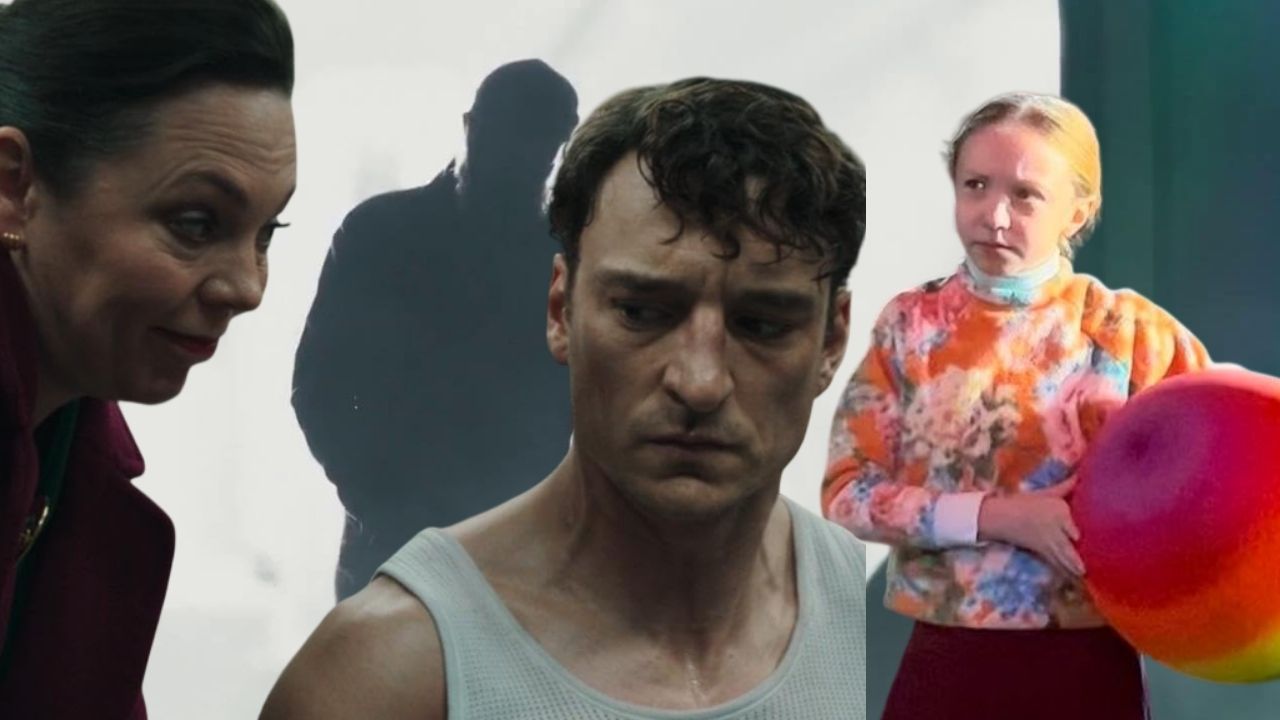
You’re analyzing every conversation you have. Is that character just stressed and acting out of character, or is that a Skrull in someone else’s face?
The series isn’t afraid of dropping punches with the reveals, either. Learning that James “Rhodey” Rhodes (Don Cheadle) was replaced by a Skrull was an absolute gut punch. It reframes his recent MCU appearances, and it leaves you with a lingering, nauseating thought — just how long has the genuine Rhodey been trapped in a radioactive pod? How much of his life had been taken? It’s a mute, cerebral terror that lasts much longer than any CGI blast.
A Villain Born from Broken Promises
A thriller is only as good as its villain, and Kingsley Ben-Adir’s Gravik is certainly one of the most chilling, ruthless baddies the Marvel Universe has rolled out in quite some time. But the reason Gravik ends up looking so unbelievably dark is because his reasons for doing what he does are entirely understandable.
Nick Fury and Captain Marvel guaranteed the Skrull refugees that they could find them a new home years ago. They weaponized the Skrulls, making them an invisible espionage network to protect Earth, but they didn’t hold up their side of the deal. Gravik isn’t attempting to take over the Earth for sport; he is a radicalized leader of an exiled, desperate people who have sussed that their ”salvors” are never really going to save them.
This adds a thick layer of geopolitical metaphor to the series. The series addresses issues of xenophobia, refugee exploitation and the hubristic destructive nature of superpowers offering guarantees they cannot deliver. Gravik is the monster that Nick Fury created.
Ben-Adir’s Gravik is frighteningly sociopathic and calm. He doesn’t rant and rave, he kills his enemies with a blank look. The scale of his desire to start a global nuclear war just to kill everyone for his people is truly apocalyptic, making the fear that looms over the show feel very much real.
Casualties of War: The Staggering Body Count
If you want to have a good sense of how dark a story is, check out how it treats its legacy characters. Secret Invasion stunned viewers by revealing that plot armor was officially a myth.
In the closing minutes of the very first episode, Maria Hill (Cobie Smulders), a character who’s been a fixture in the MCU since 2012’s The Avengers is unceremoniously shot in a crowded plaza.
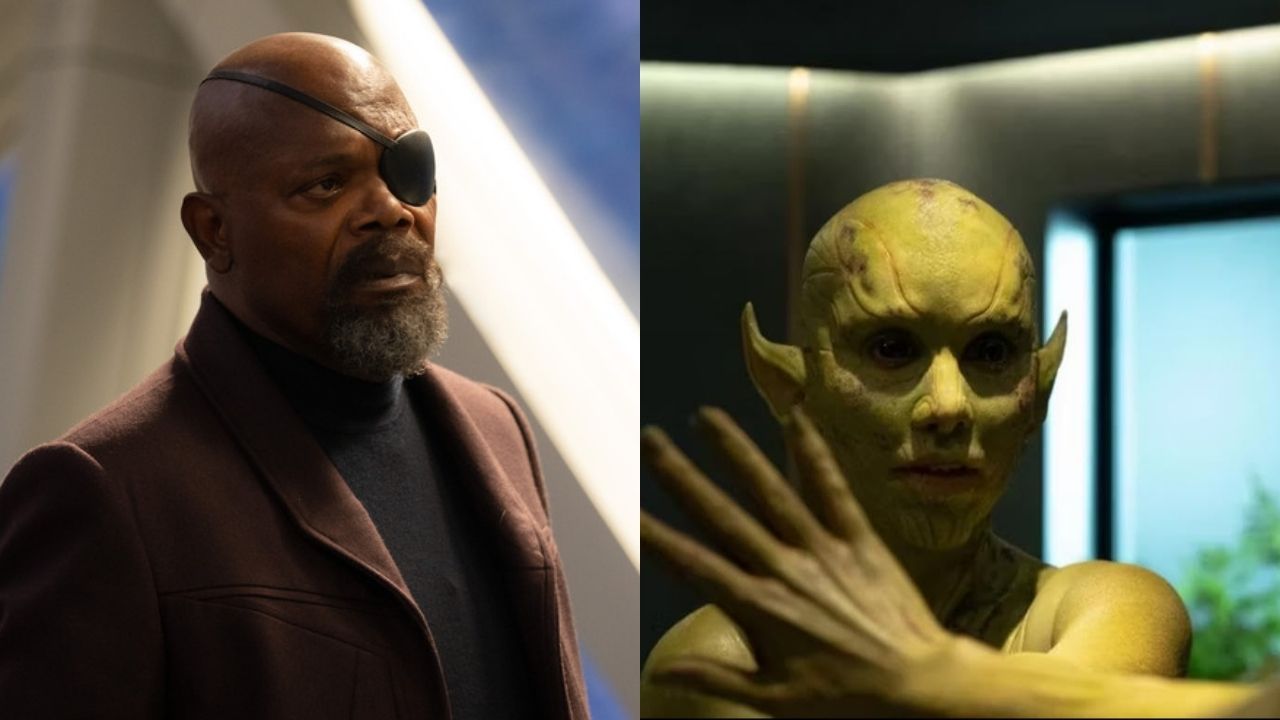
Also, instead of living up to the ambitions of some random goon, Gravik, who has the visage of Nick Fury, shoots her to death. The face of the man who betrayed her, and whom she believed to be her best friend and mentor, is the last thing she sees before she dies. It’s a savage, crippling and horrifyingly believable death.
Then, halfway through the season, we lose Talos (Ben Mendelsohn) to the show. The emotional core of the Skrull storyline was Talos, a pacifist seeking to unite two warring races. There are no happy endings in this series, seeing him bleed out on the battlefield while his dream for peace goes unachieved is establishing the tone. There’s a real price to fight, and every so often the good guys die in it.
The Softer, Tragic Side of Nick Fury
Among the killings and political machinations, the darkest and most engrossing undercurrent of the series is surprisingly domestic. We learn that Nick Fury has a wife, Priscilla (Charlayne Woodard), who is actually a Skrull called Varra.
Their relationship is a lesson in romantic tension and disaster. Fury had loved the woman Varra had worn the face of for many years. But can he love her as she is —a green-skinned alien? In a society that fears you, the show asks hard questions about identity, assimilation and what you’re willing to lose.
The sequence in which Fury and Varra face off across a dining table — both wielding guns, reciting a Raymond Carver poem, before simultaneously firing is pure cinematic tension. It’s a moment of heartbreaking intimacy more in line with what you’d expect from a prestige HBO drama than a franchise starring talking raccoons and magic hammers. That the MCU can address complex, adult issues of love and betrayal, when it really wants to.
Secret Invasion is a Super-Skrull Stumble
Now, we have to talk about the elephant in the room. You can’t talk Secret Invasion without talking about the finale. For five episodes, the show managed to keep its gritty, down-home thriller look intact. It banked on talk, tension, and practical espionage. And then, in the sixth and final chapter, it retreated to the well-worn Marvel trap.
The high point was the “Harvest”—a sample held in a vial containing the combined DNA of nearly every superhero who had taken part in the Battle of Earth. G’iah (Emilia Clarke) and Gravik both obtain these abilities, resulting in an enormous CGI brawl where they suddenly swap Drax’s arms, Captain Marvel’s energy blasts, and Mantis’s antennas.
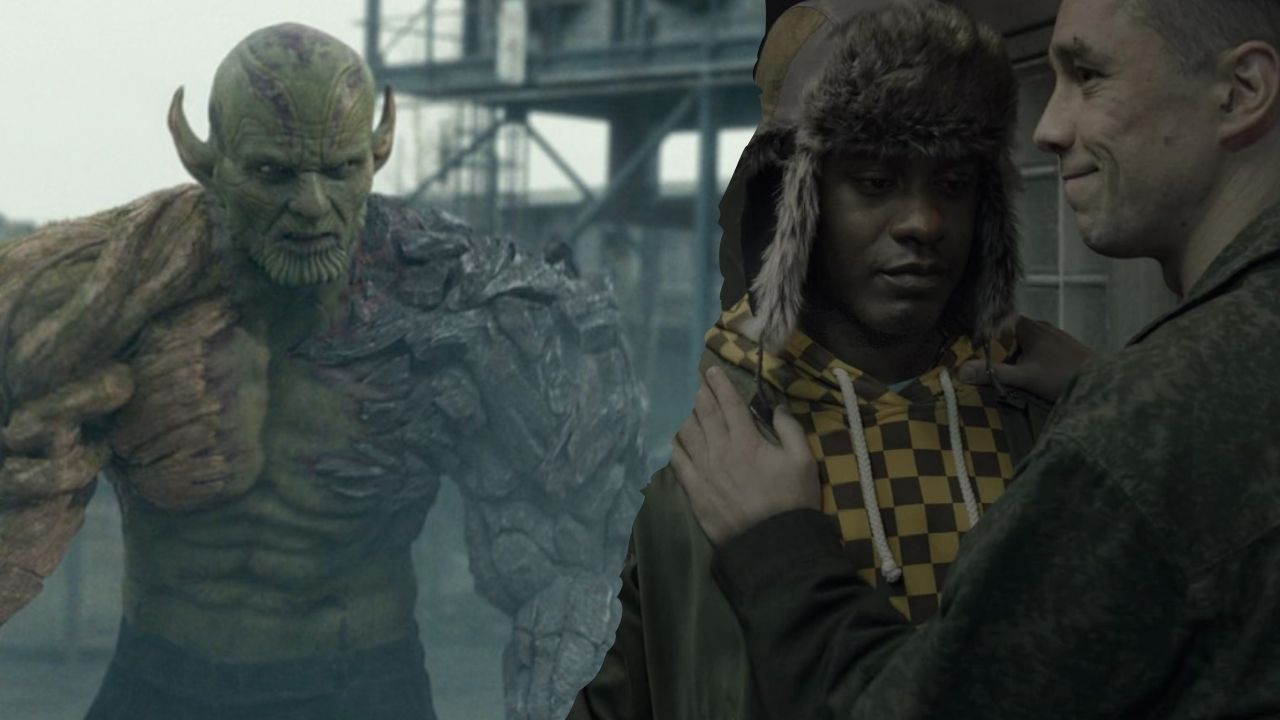
For a lot of fans at least this final fight undermined the serious, cynical tone the series had so laboriously built. Instead of outwitting the villain in a battle of wits, the two end up as two overpowered CGI blobs slugging it out in the sky. In addition, the series ended with the US President essentially announcing a hunt for all aliens on the planet, leading to a spate of violent vigilante justice.
It was an extremely cynical end. Nick Fury exits Earth worse for the wear than when he came, deserting a freshly radicalized world to return to his space station. This conclusion, while roundly panned as too confusing and unsatisfying, certainly adds to the utter darkness of the storyline. There is no triumph here. The xenophobia won. The paranoia won.
The Legacy of the 6-Part Thriller Secret Invasion
So what makes Secret Invasion in the pantheon of Marvel tales?
It is a wildly ambitious flawed masterpiece. It went to interrogate what the Marvel universe actually looks like through the eyes of those who lived it and were left behind in the dirt.
The trip there was harrowing, despite the fact that the CGI-laden final act softened the spy movie feel. Secret Invasion still is a compelling experiment. It showed that the MCU could go all in, getting messy, violent, and morally ambiguous in a world filled with aliens and spies.
Read More:- Daredevil Born Again Season 2 Episode 4 Turns Hell’s Kitchen Into a War Zone
Conclusion
This 6-part thriller might not have been for you, if you like your stories neatly tied up in the end. However, Secret Invasion is a brash, aggressively dismal chapter in superhero television if you enjoy storylines that aren’t afraid to get its heroes muddy (and keep them there). It’s a reminder that the scariest dangers might be coming from the guy standing next to you, not from holes in the sky.
Funster World delivers movies, series, and celebrities details to take you into the world of cinema.
About the Author