Marvel Studios Is Facing Multiverse Fatigue why the MCU struggles with timelines
We feel a sense of closure that we weren’t given for a very long time when the credits started to roll on Avengers: Endgame in 2019. Tony Stark’s sacrifice felt earned. Steve Rogers’ dance with Peggy felt right. Marvel Studios delivered The Infinity Saga that had been building to this, and it paid off. Jump to 2024, and the talking heads take a very different tone. Step inside a comic book store, scan through Marvel fandoms and you’ll find it — the Multiverse Fatigue is real.
The Marvel Cinematic Universe, which was long the safest bet in Hollywood, now appears to be in crisis. And the culprit isn’t superhero fatigue – it’s multiverse fatigue.
Marvel is Trying to Overcome Multiverse Fatigue
When the Multiverse Felt Like Magic
The biggest shake-up in the game seemed to be when Marvel announced they were going to be exploring the universe. It opened up all sorts of storytelling possibilities. The characters we loved have other versions. Heroes who perished could come back to life without cheapening their deaths.

Literally, the stakes could be cosmic. Spider-Man: No Way Home made sure that, even with fan-service nostalgia, the concept might be incredibly successful and make you actually feel something.
When It Started Getting Complicated
This is where things went off the rails, though. Multiverse became a main course in the menu for Marvel, not because of its storyline but every project came with universe-hoping craziness like Doctor Strange in the Multiverse of Madness weaving a tightly compact story about a mother grieving for her children.
Before the audience figures it out, the next big bad villain – Kang the Conqueror introduced in Ant-Man and the Wasp: Quantumania. but he was locked away in a tiny world that felt disconnected from the larger issues. While it was hard for audiences to remember why any of it mattered, Loki Season 2 spent six episodes navigating timeline bureaucracy.
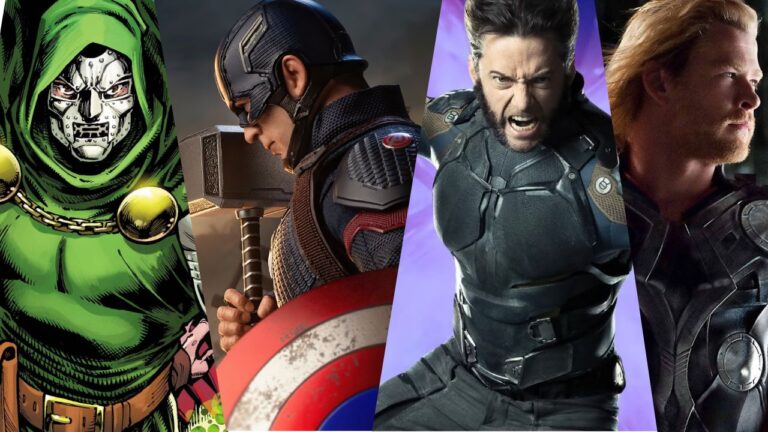
The multiverse ceased to be magical and started feeling like homework. Each new project came with a Marvel lore prerequisite. The emotional through-lines that made the Infinity Saga the best thing to come out of the Marvel slate up until that point — Tony’s guilt, Steve’s displacement, Thor’s worthiness got buried beneath explanations about incursions, branching timelines, and variant numbering systems.
The Kang Conundrum
If anything encapsulates Marvel’s predicament right now, it is their treatment of Kang. Jonathan Majors was mesmerizing in Loki (Season 1) as a villain who genuinely felt like he took the Thanos mold and pushed it in some really interesting directions. It wasn’t a case of mistaken motivation based on warped empathy — he was tired, he was just bureaucratic, he was almost sympathetic in his isolation. The character had the possibility to be something rather unique.

Then Quantumania rendered him as a generic would-be world ruler yelling destiny. Then the legal problems came. Now Marvel has a multiverse saga built around an actor they can’t use, starring versions of a character no one really loved. It’s like building a roller coaster with the deck under construction and then finding that the main support beam is faulty.
When the Plan Fell Apart
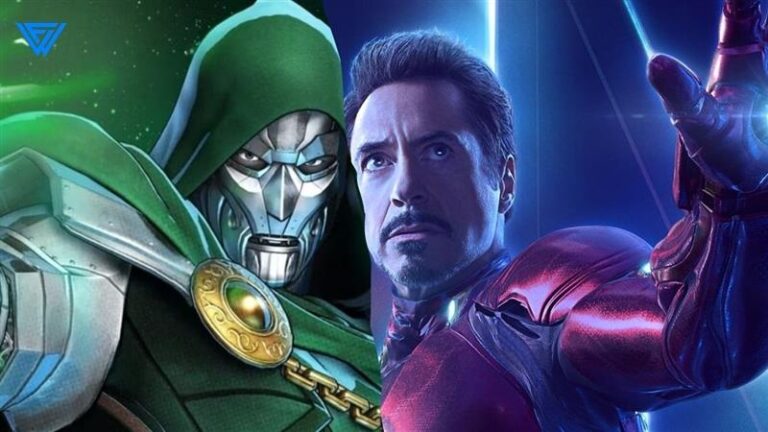
That the reported shift in focus from Kang back to Doctor Doom is an appropriate course correction from damage-control is true, but it also underscores a larger issue: Marvel is flying by the seat of their pants. The methodical, prescriptive world-building of Phases One through Three has been replaced with a more reactive storytelling mode, by-turn course-correcting and expecting audiences to hold on for emotional dear life.
Why the Best MCU Stories Still Work
The answer is not to just get rid of the multiverse that genie won’t go back in the bottle. The solution is to remember what made the MCU work to begin with: character-first storytelling.
Just look at the largest post-Endgame darlings.
- Shang-Chi didn’t land because its hero was a son grappling with his father’s abuse.
- Never expecting to check off fifteen episodes before getting to watch, Werewolf by Night is a winning stylistic experiment.
- It initiated a string of found-family narratives that were heart-wrenchingly gratifying beginning in 2014 with Guardians of the Galaxy Vol.
- And although Spider-Man: No Way Home has plenty of cosmic hijinks, it’s also about Peter Parker growing up and giving up.
Those tales employed fantasy to address human situations. Don’t have them ask the audience to care about timeline mechanics—have them ask us to care about people.
What Marvel Needs to Change
Marvel should stop introducing three new characters per project who exist solely to set up future projects. Stop treating emotional moments as buffers between action sequences. Stop assuming that saying “there’s an infiltration” makes things tense without saying why we should freak out about dimension collapse other than our characters telling us it’s a bad thing.
Some Marvel Movies Helped Studio to Survive
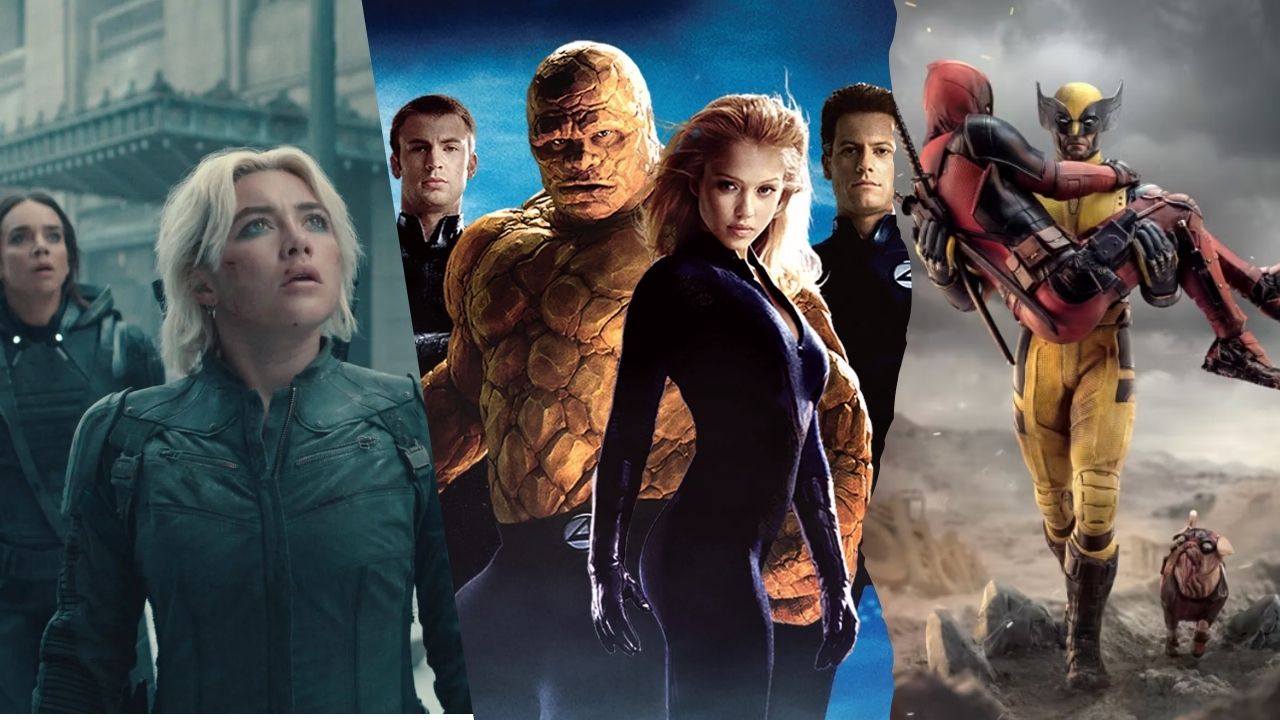
- Deadpool & Wolverine is perfectly aware of its meta nature of irreverent fun, not “world-shattering” importance.
- The Fantastic Four is a fresh start, and fans of the dearly beloved characters haven’t been sullied by previous MCU blunders.
- Thunderbolts came with a group of broken and complex characters which have really interesting punchlines.
But execution is more important than concept. Marvel has to resist the impulse to make every movie a “game changer,” that rethinks the universe. Not every bad guy needs to be a menace to the fabric of reality. Being a hero doesn’t mean that you must come from a broken traumatic childhood because doing the right thing while being a simple person is also a heroic move.

The multiverse isn’t broken as an idea. It’s been employed by comics for decades to tell stories that matter. But comics also know that the most successful multiverse stories — “Days of Future Past,” “Spider-Verse,” “Crisis on Infinite Earths” work because they’re anchored to particular emotional journeys instead of the nuts-and-bolts of inter-dimensional travel.
Marvel made us believe in a man in an iron suit, a soldier out of time, a god with daddy issues. They didn’t win because they had the most elaborate mythology, they won because they made us care about people in costumes. The answer to multiverse fatigue isn’t more universe jumping. It’s that in all things and across infinite realities, the only thing that ever really matters is human emotion.
Read More:- Doctor Doom in “Avengers: Doomsday” Could Change the MCU Forever
Conclusion
The multiverse itself isn’t a problem. It’s been used by comics for decades to tell some of their best stories. Events such as Days of Future Past, Spider-Verse, and Crisis on Infinite Earths worked because they were rooted in emotional journeys, not just overly convoluted rules about alternate realities and such.
At its best, the MCU made you believe in the extraordinary—the engineer in a metal suit, the soldier frozen in time, and the god in search of purpose. The franchise didn’t win hearts because its mythology was complicated. It won because people cared about the characters in the costumes.
If Marvel Studios is going to push through multiverse fatigue, the solution isn’t bigger universes, or more timelines. The answer is startlingly simple: just tell stories that make people want to feel again, and they’ll come back.
Funsterworld is a platform where you can find every latest detail on your favorite Marvel storyline from movies, series and celebrities.
About the Author