Worst Mistakes from ‘Avengers: Endgame’ That Fans Hope Marvel Avoids in ‘Secret Wars’
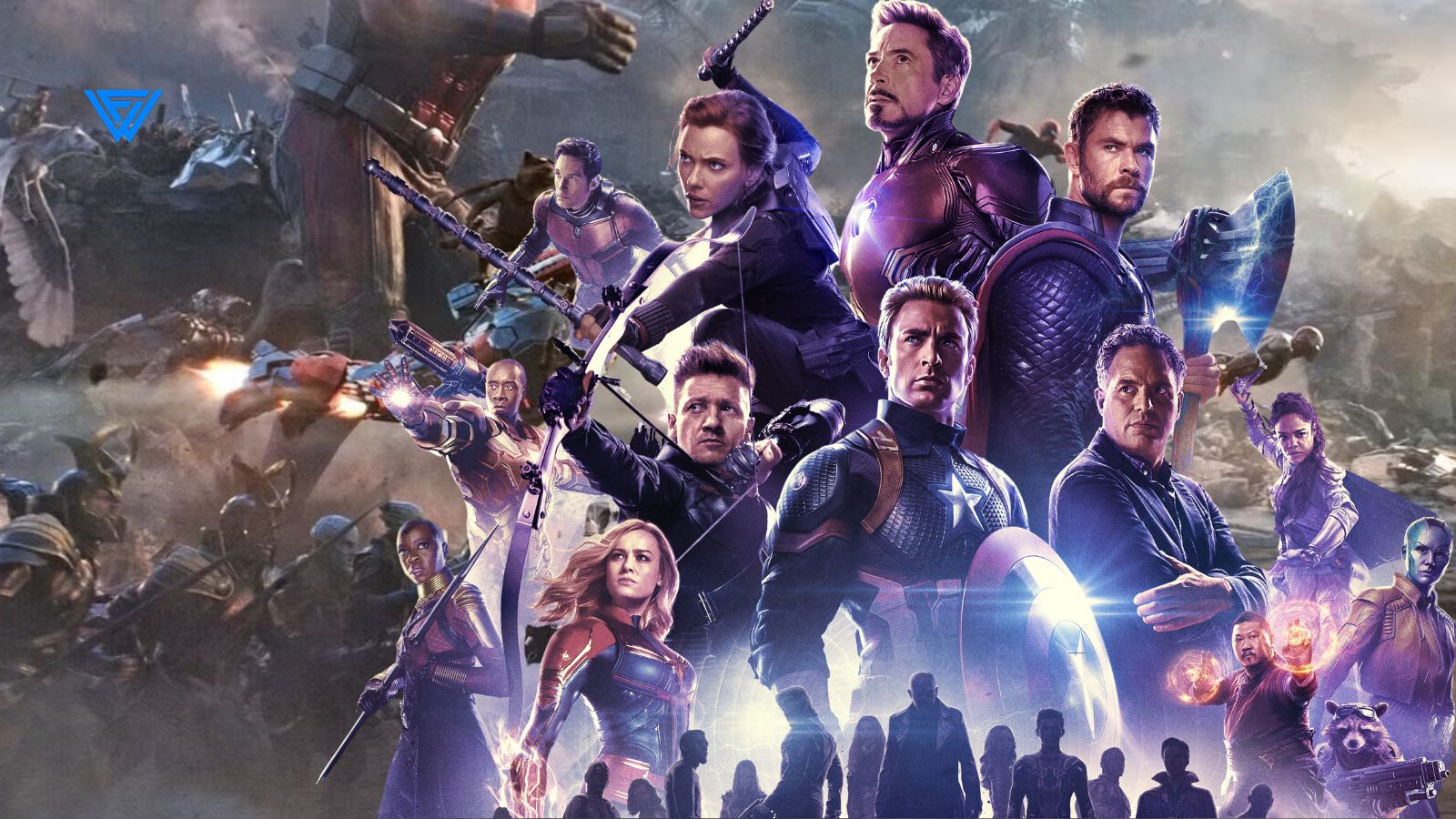
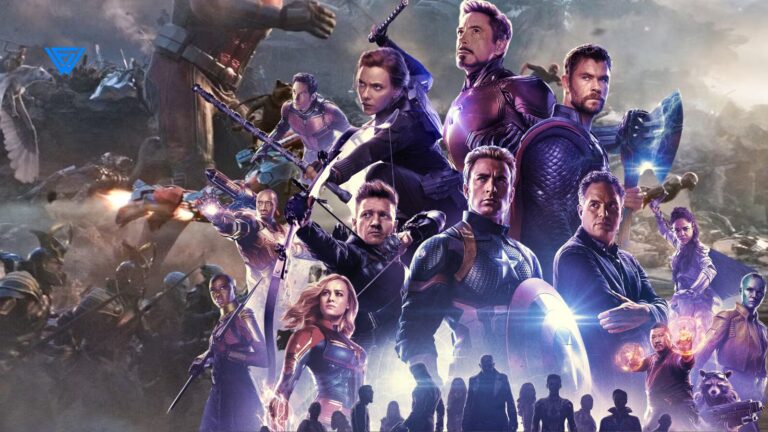
When “Avengers: Endgame” was released in April 2019, it seemed like the fulfillment of a decade-long promise. The Marvel Cinematic Universe had been building to this moment for eleven years, and the cultural phenomenon that was the recent culmination in cinematic event, went on to dominate box office records and bring audiences to tears in the best possible way. Tony Stark’s sacrifice, Steve Rogers’ dance with Peggy, Thor’s “cheese whiz” belly—they became pop culture touchstones almost immediately.
But that’s the thing about movies made on such an enormous scale: Even the best ones have their flaws. And Avengers: Endgame has some real doozies. With Marvel now setting up Avengers: Secret Wars presumably another “everything changes” event that could eclipse even the Infinity Saga that fans are nervously watching. We’ve been burned before by spectacle over substance, by fan service that undercuts character arcs, by hurried storytelling that sacrifices logic for emotional punches.
So let’s have a frank discussion about where Avengers: Endgame went wrong. To not rip it to shreds—it is, after all, an incredible feat—but because to love something is to want it to get better. Here are the worst mistakes from Avengers: Endgame that should be avoided in Secret Wars.
The Five-Year Time Jump Created More Problems Than It Solved
Jumping five years into the future after Thanos destroying the Infinity Stones was no question a big risk. To look upon a shattered, traumatized world where half the people had simply ceased to be and then suddenly come back was haunting.
The Falcon and the Winter Soldier teased a few displaced living problems, but by and large, the MCU has depicted the five-year gap as nothing more than a neat little plot point, rather than a massive shockwave to society that it really should have been.
For Secret Wars they want stakes that matter, without creating narrative black holes where the franchise cannot escape. If you are going to break the world, show us how it’s fixed – or at least acknowledge the complexity.
Fat Thor Walked a Fine Line Between Pathos and Punchline
Avengers: Endgame’s depiction of Thor’s depression and weight gain began as one of the film’s most relatable and empathetic moments. This is a god who was powerless to prevent the Snap, who murdered Thanos much too late for it to make a difference, who has been separated from everyone he holds dear and everything he owns. It was devastatingly realistic when his PTSD induced retreat to New Asgard (Tønsberg) was revealed.

However, the Avengers: Endgame was unable to resist turning him into a laughing stock. The “cheese whiz” references, the Fortnite games sessions, the endless visual jokes about his size — what started as a fairly nuanced depiction of mental health issues eventually soured into something that was a little more making fun rather than empathizing. By the time he was screaming at “NoobMaster69,” the character was already becoming comic relief within his own trauma.
Secret Wars has to honor its shattered heroes. Let characters collapse—and they should—but let them be complicated, not caricatures.
The Time Heist Undermined Its Own Rules
Time-travel is narrative poison when mistreated, and Endgame—despite its characters openly scoffing at Back to the Future’s logic — didn’t exactly land well. The Avengers: Endgame that alters the past results in split timelines instead of changing the present, except when it doesn’t? Steve Rogers going back to live with Peggy apparently happened in the main timeline, despite that contradicting everything else we found out.
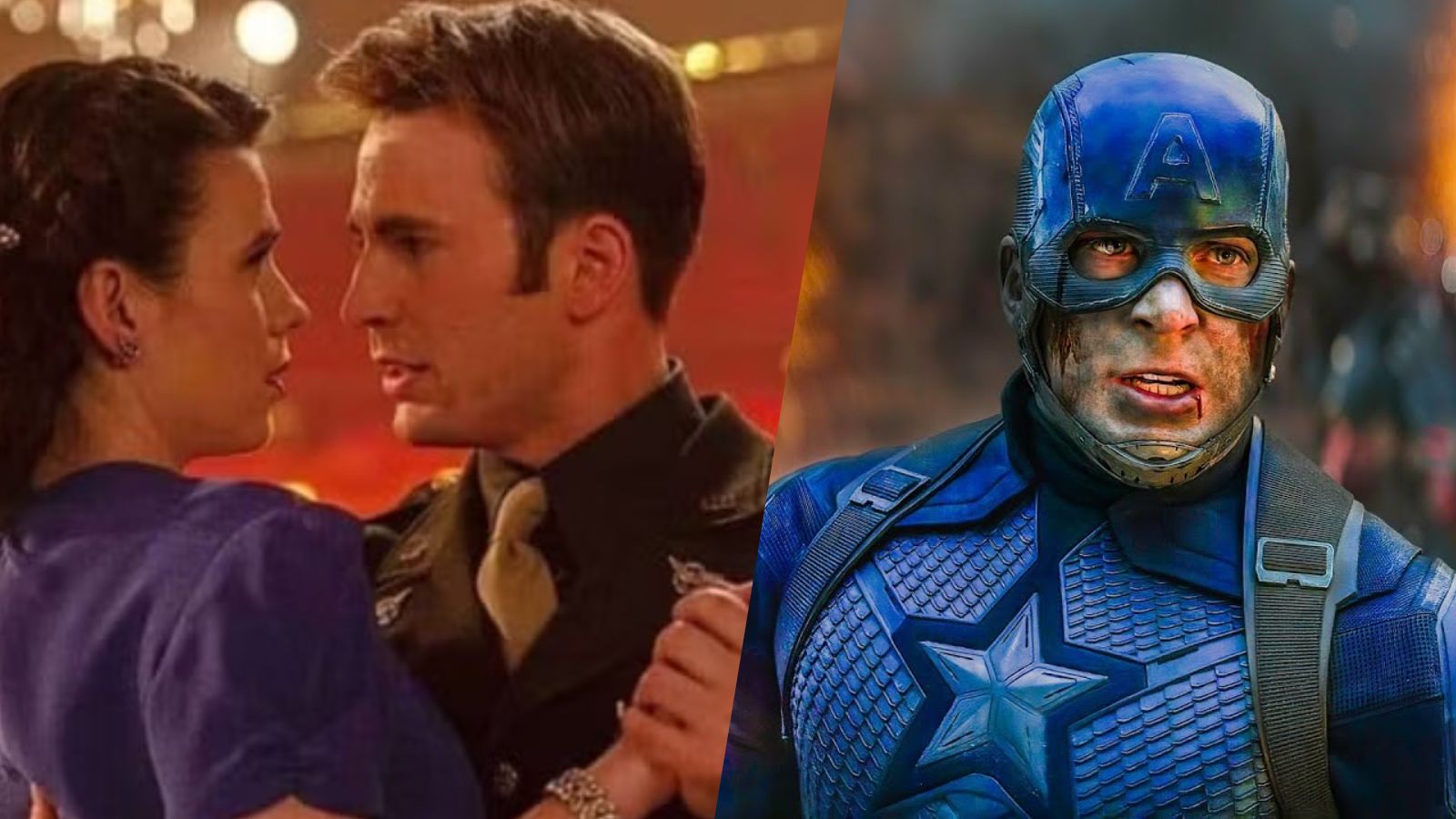
The Ancient One’s explanation of the timeline branches was elegant, but the film’s execution was messy. Loki escaping with the Tesseract created a branch that needed pruning (and became its own Disney+ show), but Steve returning the stones apparently fixed everything? Except he stayed in the past and aged naturally, which shouldn’t have been possible without creating a branch?
For Secret Wars, which will presumably take the multiverse to even more mind-bending levels of complexity, Marvel needs some rules that are carved in stone and the discipline to follow them.
Black Widow Deserved Better
Natasha Romanoff’s death on Vormir hit emotionally in the moment. Her sacrifice in choosing to die so that Clint could go back to his family fully circuited a storyline about found family and redemption. But you pull back, and the image gets a little grimmer.
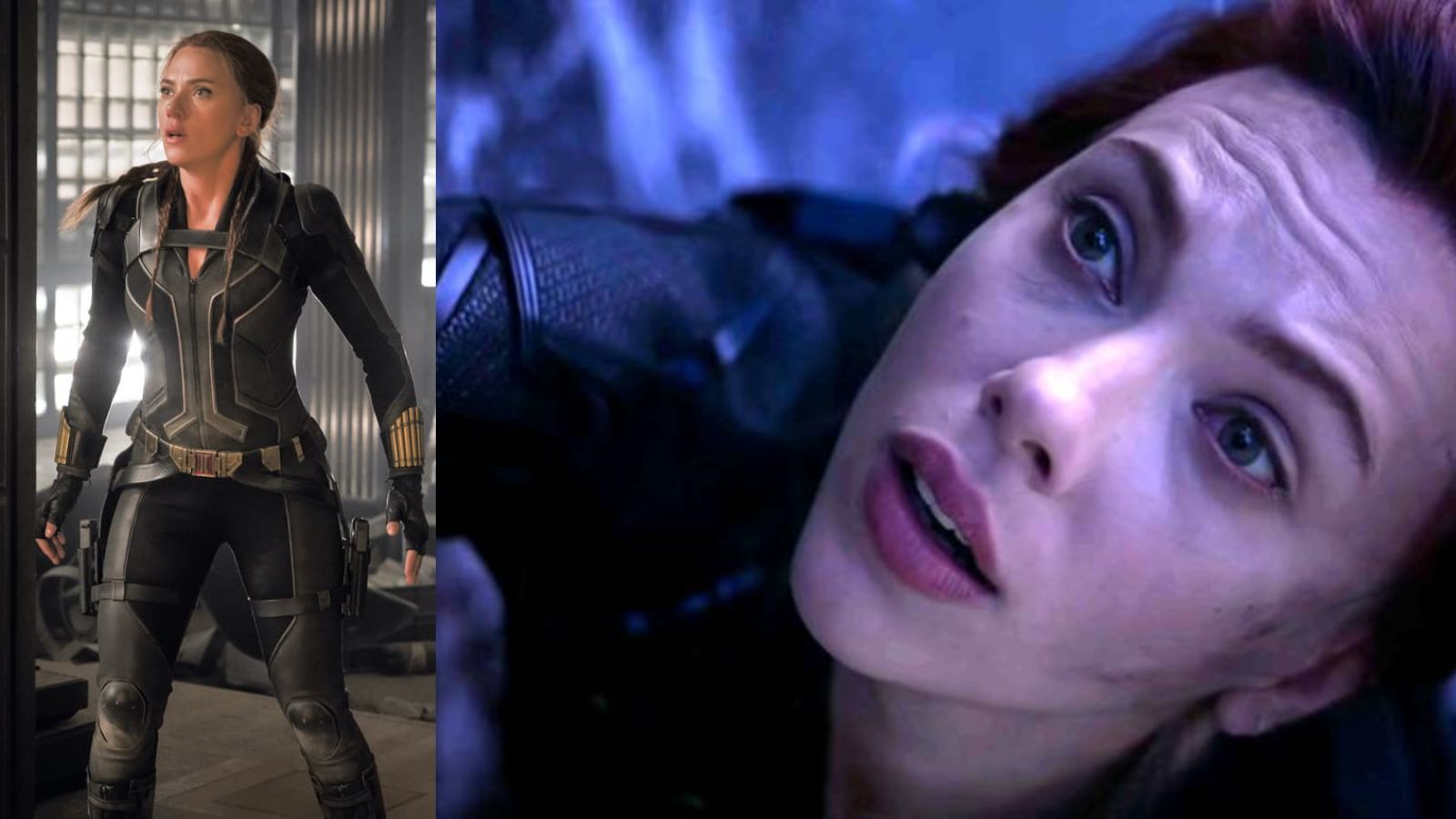
This was the only original female Avenger, and she was killed off so the franchise could have its “daughters” moment with Tony and Morgan Stark. She didn’t have a funeral — just a brief, awkward snapshot of the male Avengers standing around a lake looking sad. Her solo movie, Black Widow, was released two years later and took place entirely in the past, meaning her death was final and there was no significant aftermath in the present timeline.
The MCU has since realized it can do better with its female characters, but Secret Wars has to make sure that when women lay down their lives, it’s given as much importance as when men do. And maybe radical thought let some of them survive?
Captain Marvel Was Sidelined After Her Big Introduction
Brie Larson’s Carol Danvers threw fists from the start with solo-movie cosmic level powers and connections to the wider universe that seemed likely to factor heavily in Avengers: Endgame. But no, she was off “helping other planets” for the most part of the movie, appearing from time to time to blow up Thanos’s ship, only to be immediately depowered by the Power Stone.
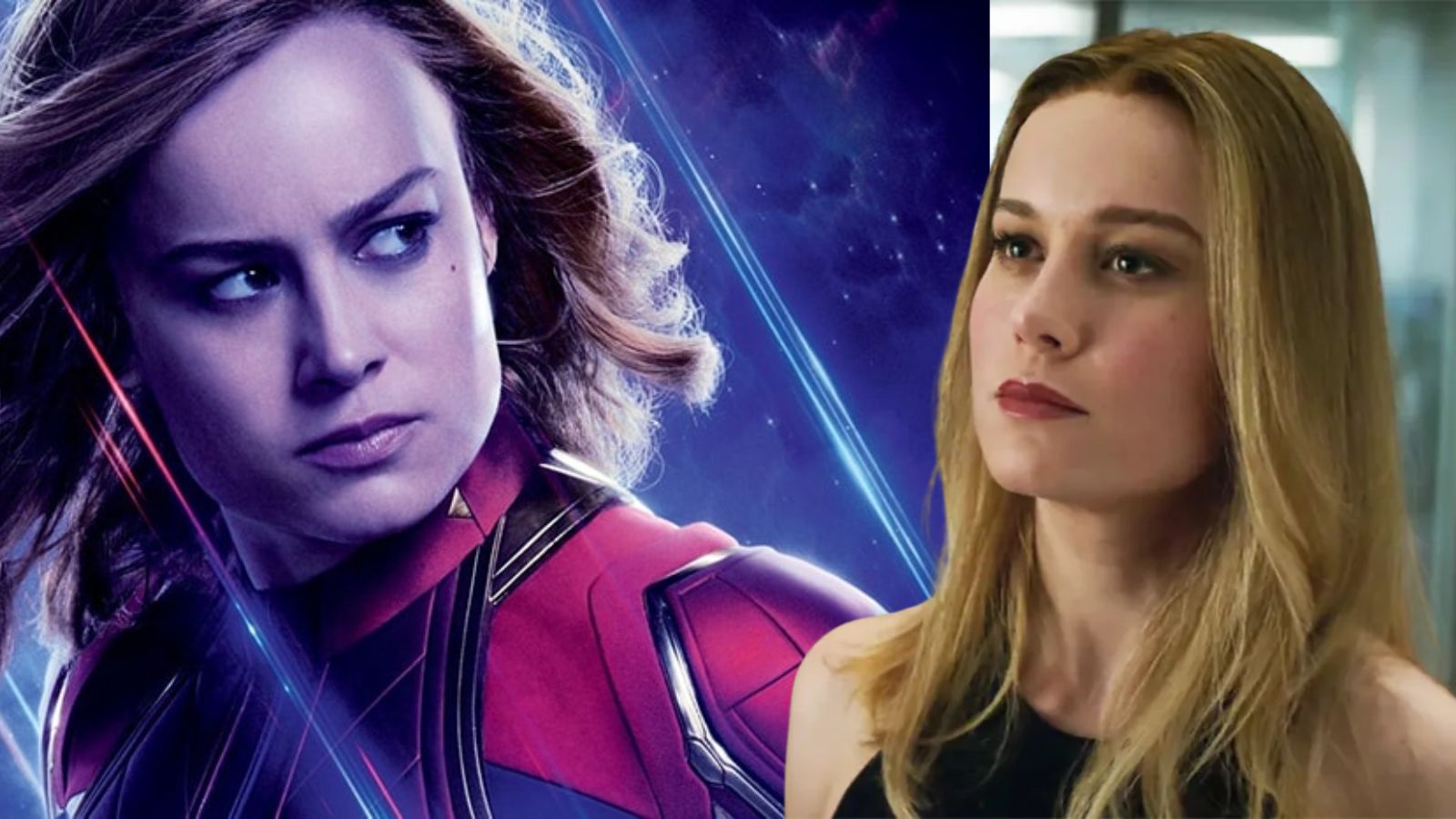
As it was a systemic issue not Larson’s fault. Introducing a character who can punch her way through spaceships mere weeks before your finale meant you were going to have to nerf her or solve the problem in five minutes. The MCU picked the former, and it felt like a cheat.
Secret Wars will introduce even more powerful characters, perhaps the Fantastic Four, X-Men, and various multiversal variants. You don’t bench them, get them to write challenges that fit their power levels or add some imaginative restrictions that aren’t just lazy writing.
The Final Battle Prioritized Spectacle Over Clarity
Yeah, it still gives me goosebumps when they say “Avengers Assemble.” Yes, watching all the superheroes from a ten years worth of movies chasing into a fight was definitely cathartic. But rewatch that final battle and tell me what we’re really seeing at any particular moment. Who’s fighting whom? Where are the Infinity Stones? What’s the plan, exactly?
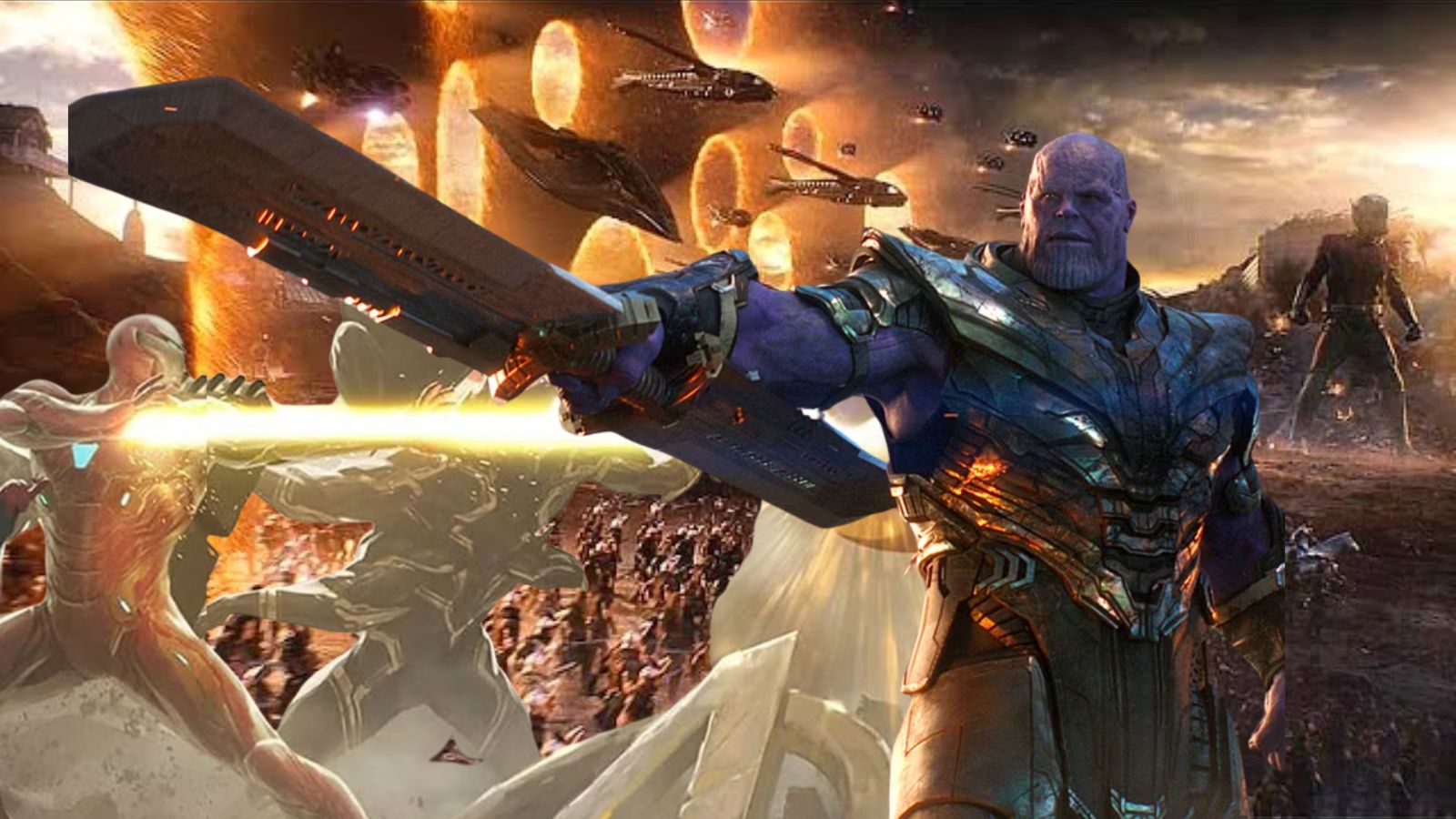
The fight descends into a mindless CGI stew, with small moments for characters getting mashed together. Compare it to the Battle of New York in the first Avengers, where each hero has explicit goals and clear spatial relationships. Avengers: Endgame’s finale was bigger but blurrier.
Secret Wars is expected to be much, much larger in scope, spanning multiple realities and including somewhere in the neighborhood of 50 characters. It’s just noise if there’s no geography and stakes.
The Treatment of Hulk Was a Cop-Out
Remember when Bruce Banner and Hulk were two separate, clashing personalities? Avengers: Endgame settled that strife off screen. We’re told Bruce lived in a gamma lab for a year and a half and came out on the other side as “Smart Hulk,” which is his way of saying he had the mind of Banner with the body of Hulk. We never witness this change. We never feel the psychological trauma of two identities coalescing.
It was a really interesting character evolution that the film just… informed us of. Imagine the drama of Bruce at last making peace with the “other guy,” or the tragedy if that peace should prove to be temporary. Instead, there’s a green Mark Ruffalo, glasses-wielding and making dad jokes about tacos.
Secret Wars certainly can’t take the easy way out when it comes to character development. Show your work or the payoff feels unearned.
The Casual Treatment of the Infinity Stones’ Power
These are entities that govern the basic building blocks of reality. The Power Stone by itself can obliterate planets. The Time Stone can rewrite the past. To get the Soul Stone you have to give up what you love most. And in Endgame, they’re all you to collect like Pokémon cards and come back with as little fuss as possible.
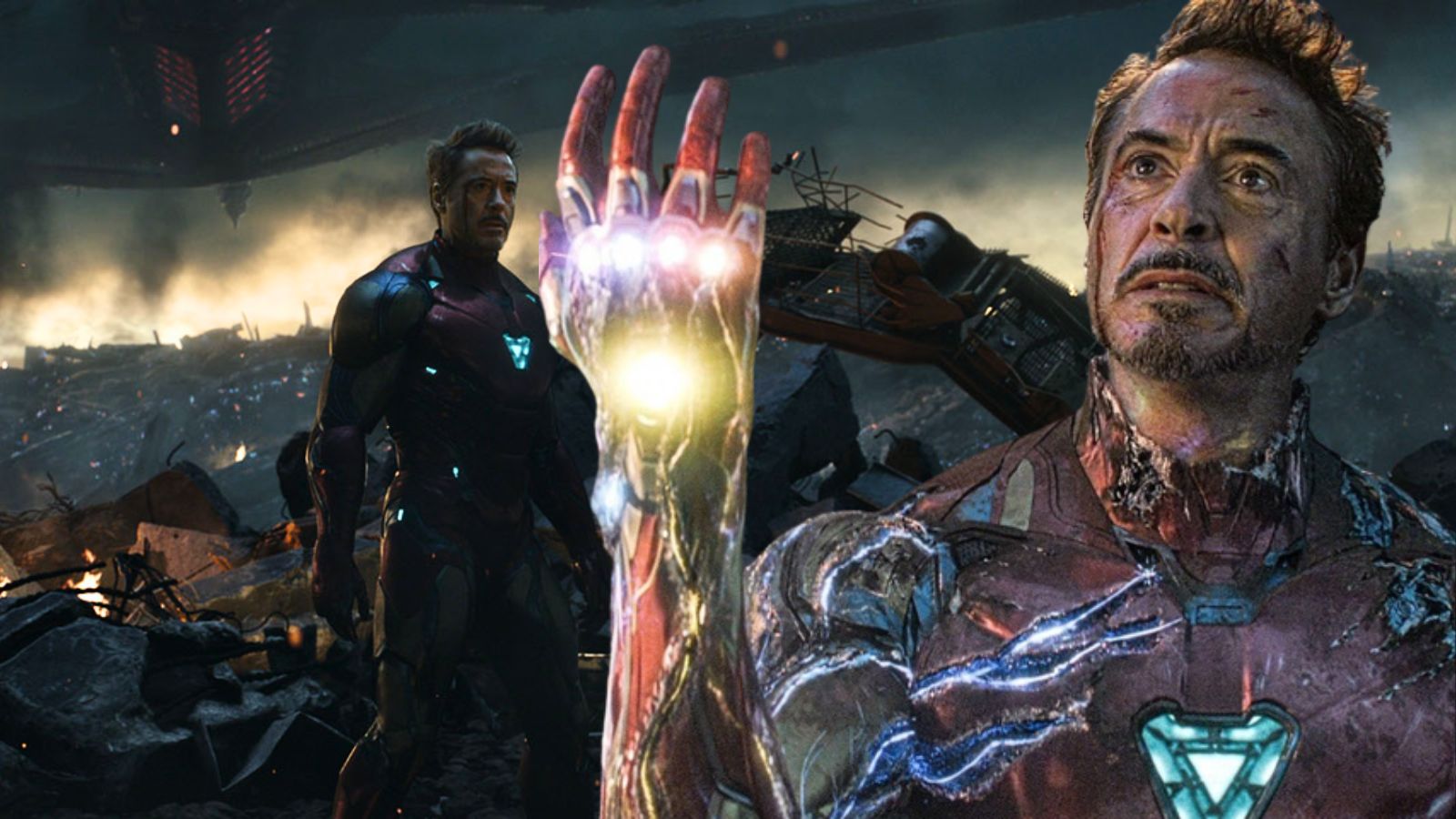
The heist formula boiled down cosmic artefacts into mere MacGuffins, and the film’s breezy tone occasionally downplayed their importance. It’s a bit of a mundane exercise in make believe robbery when Rhodey and Nebula just stroll out of Morag with the Power Stone in a bag like they’re just popping to the grocer’s.
If Secret Wars is going to be pulling the Beyonders, the Beyonder, or any other reality-warping monstrosity out of the bag, then their power needs to FEEL terrifying, not just useful.
The Lack of Meaningful Consequences for Time Travel
The Avengers Break into the Past, steal from timeliness from previous movies, let Loki Get Away, emotionally traumatize 2014-Gamora (who then is brought to the future and vanishes). The Ancient One cautions them against the perils of neglecting to return the stones, but the movie considers the real ethics of timeline tampering as a footnote.
Steve’s final mission to return the stones should have been a movie in itself. It’s a plot contrivance to get him out of the way so he can quit. The branching timelines created by the heist — Loki’s escape, 2014-Thanos getting a glimpse of the future, Captain America maybe creating a branching timeline by sticking around with Peggy are either ignored or hand-waved.
Secret Wars will probably center the multiverse more directly. It has to confront the emotional weight of traveling between realities, rather than merely utilize them as background fluff.”
The Finale Forgot Its Own Themes About Moving On
The first act of Avengers: Endgame is grief and acceptance and there being nothing you can do to undo tragedy. Steve’s support group meetings, Thor’s guilt, Natasha’s workaholic nature and all are signs that the movie realizes you can’t just go back and fix everything in a time machine. The characters have to heal.
And then they fix everything with a time machine that feels like cheating.
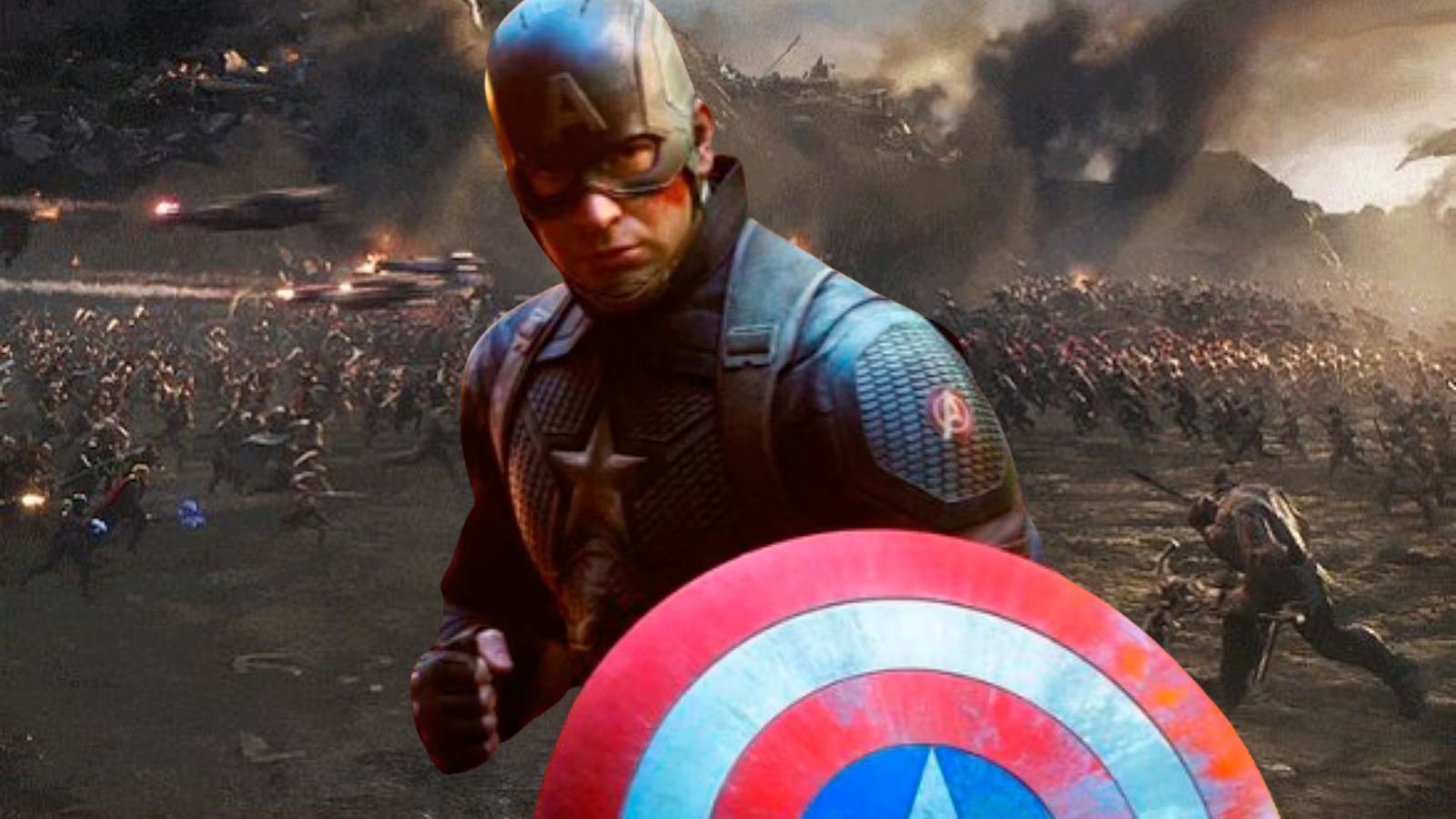
The message gets confused: Well, you can undo the worst thing that ever happened, if you just try hard enough and sacrifice enough.” Tony’s death delivers emotional cost, but the billions who were dusted and brought back endured no lasting trauma (apparently). Then it’s back to the normal world. The five years of suffering are wiped away by the reversed Blip.
Secret Wars has to figure out what it’s doing, itself. If it’s about loss, let things stay lost. If it’s about hope, earn it on some plane other than temporal mechanics.
The Hope for Secret Wars
Now, I’m not saying Avengers: Endgame didn’t overdeliver, it did everything the MCU wanted it to do, and then some. But it worked in spite of these flaws, not because of them. As Marvel moves into its Multiverse Saga—the next Thanos-level threat will be Jonathan Majors’s Kang (or a replacement) — the stakes are high for them to get it right.
Fans don’t want to go back to Endgame. We want the emotional candor of the best moments, without the narrative shortcuts of the worst. We want female characters who live and breathe, time travel that adds up, consequences that last, and fights where you can actually see what’s going on.
Secret Wars could be even bigger than Avengers: Endgame. But bigger only works if it’s also better. The MCU has earned our goodwill over fifteen years. Now it’s time to prove they can evolve.
Read More:- Great Wolverine Moments That Show Why He Is The Best X‑Men Film Series Character
Conclusion
In the end, Avengers: Endgame is still a towering accomplishment but also a word of warning. Scale by itself isn’t enough to sustain a narrative. The emotional payoff, the character integrity, the internal narrative logic are just as important as mass spectacle.
As Marvel prepares to take up arms in Avengers: Secret Wars, the true task is not just to go bigger — it’s to go smarter. They want consequences that stick, characters who are given the respect they deserve, and stories that don’t fudge the truth just to create a crowd-pleasing moment.
If Secret Wars can take a page from Avengers: Endgame’s playbook, combining ambition with clarity, spectacle with substance — it could redefine what a cinematic event is. Because really, at this point it’s not about surpassing the past, it’s about proving the MCU can evolve beyond it.
Get every detail from Marvel movies, series and characters at Funsterworld, aiming to deliver accurate and latest details.
About the Author