Great Wolverine Moments That Show Why He Is The Best X‑Men Film Series Character
When X-Men premiered, it did more than just acquaint viewers with Marvel’s mutants, it helped transform the way superhero movies were made. Instead of the brightness of comic books people were used to, this film introduced Wolverine aka Logan with a darker and more realistic mood while also exploring more serious themes such as discrimination and identity that became the emotional core of the story.
Wolverine is played by Hugh Jackman, who performed well as a tough, quieter and mysterious nature guy with no interest to engage in anyone. However, this melancholic man will change at once and began to care for people and ended up as a reluctant dad and found family icon within the X-Men.
Wolverine became the first superhero to be gritty and realistic, not creamy and shiny with scars from endless wars not only physically but mentally. Yet beneath his gruff nature, the powerful sense of responsibility is a part that he never leaves even though he was not asked for.
So, is it surprising he became the very center of the X-Men film series and a dominant player in defining today’s blockbuster market?
The Evolution of Hugh Jackman’s Performance as Wolverine
The real life progression of Hugh Jackman and Wolverine is so intertwined with the effect of Wolverine on the X-Men movie universe that you can’t really discuss one without alluding to the other. Shelley reckons the casting of Hugh Jackman is one of the cornerstones of contemporary cinema history, an ideal meeting between actor and character that elevated the superhero genre.
Physical Transformation and the Standard of Superhero Cinema
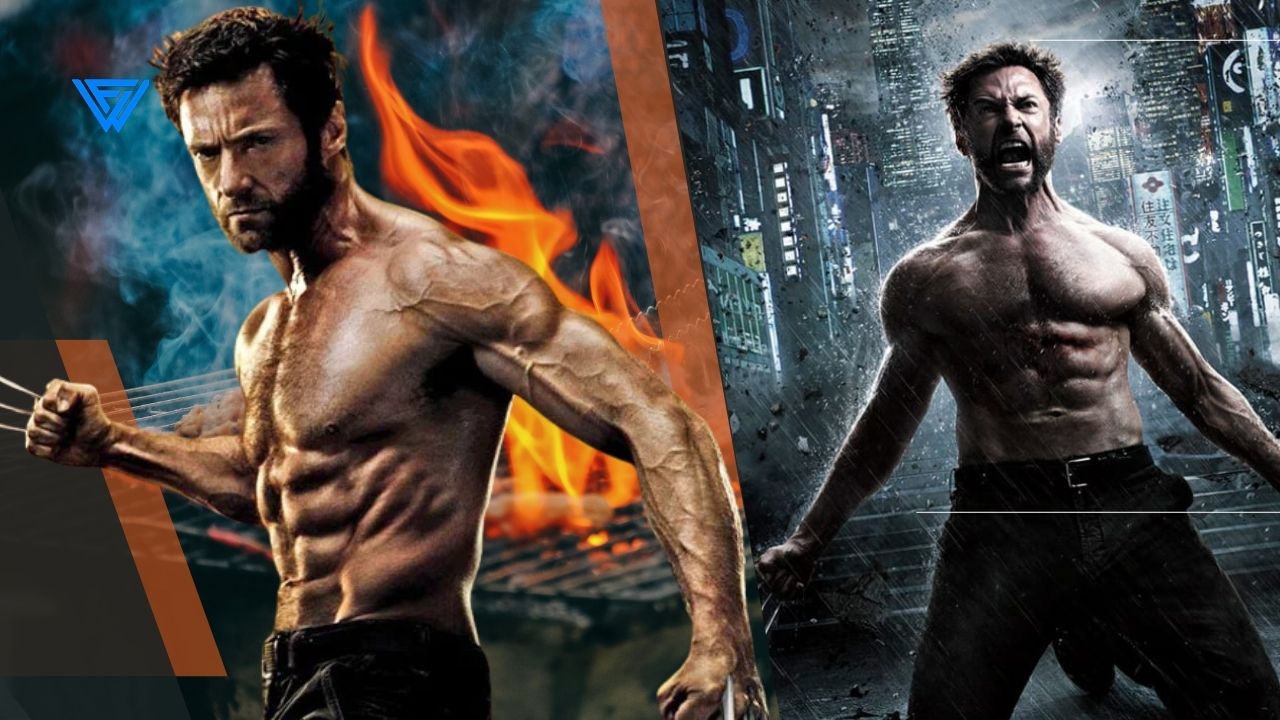
Over the course of the X-Men film series, it was Jackman’s physical commitment to the role that set new standards for the cinematic superhero body. Jackman’s body was athletic but modest in the year 2000 movie, mostly because he came on board late and didn’t have the time to get really huge for the part.
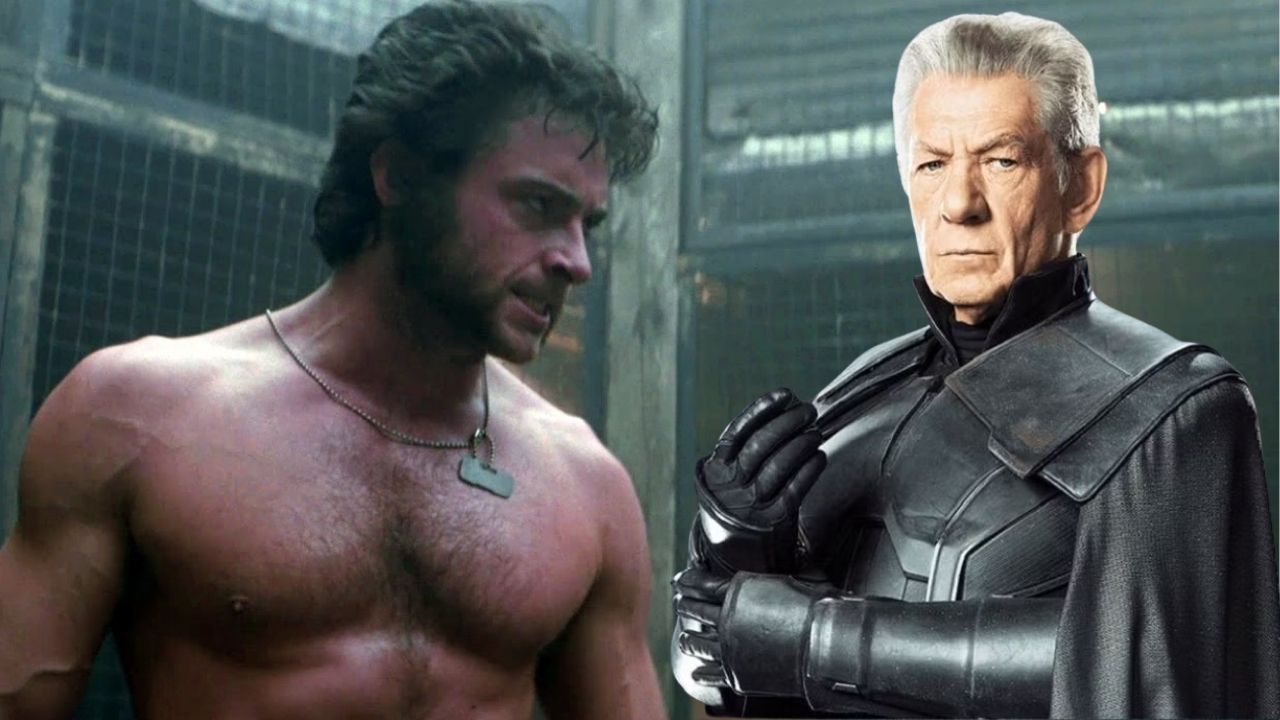
But the physical peak of this evolution was almost certainly reached in X-Men Origins: Wolverine (2009) and The Wolverine (2013). Following more and more restrictive diets and extremely dehydrating practices before shooting scenes in which he appears without a shirt, Jackman achieved an almost superhuman level of vascularity and muscle definition, looking like a comic book panel brought to life. This transformation was emblematic of the character’s narrative path, as Wolverine’s internal pain and rage became more developed, his outward image grew more rugged, animalistic and intimidating.
Great Wolverine Moments Became Character Defining Scenes
The claim that Wolverine is the standout character in the X-Men film series is best substantiated by looking at particular moments, moments designed to be replayed in one’s mind over and over, that make up his story on screen.
The Cage Fight and the Statue of Liberty
The original X-Men (2000) Wolverine’s introduction sets his default character perfectly. Depicted as an illegal cage fighter in Alberta, Canada, Logan is a man using his mutation to stay alive and buy alcohol. When he has been stirred up in a bar, he pins a man to a post and we get a slow, cinematic, chilling reveal of his claws considering it as a deadly weapon scene.
However, he really becomes a hero at the end of the film. Magneto locks the X-Men inside the Statue of Liberty, wanting to employ a machinery that will deadly mutate human leaders with the life energy of the adolescent mutant, Rogue. The party is impermeable, and the group can do nothing.
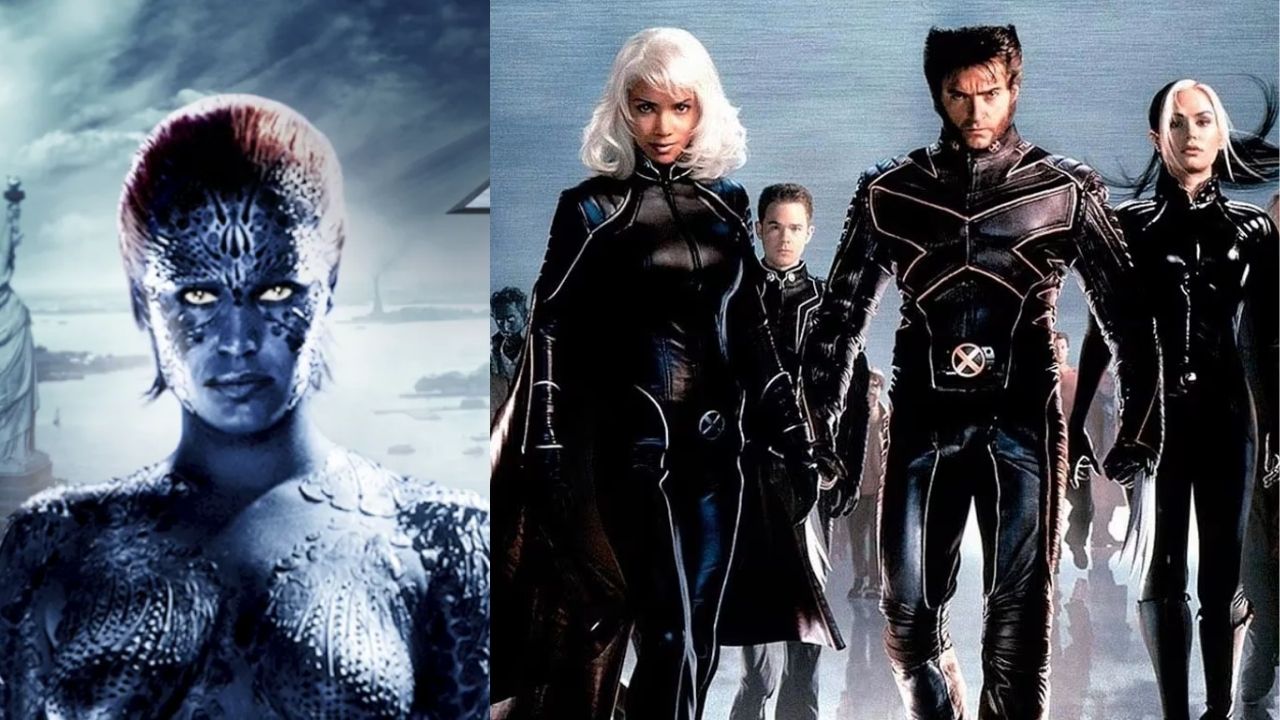
In a good way, Logan proves himself capable of great things—great sacrifice and takes a hapless enemy by surprise by sinking his own claws into his chest and using them to slice through the metal that holds his foe captive. This horrific action stuns his new team mates and confirms his definitive transformation from an amoral survivalist to a man who will suffer extreme personal torment for the good of the group, a theme echoed throughout his career in film.
The Feral Guardian: The Mansion Siege in X2
X-Men United was released in 2003 but brings us the absolute pinnacle of the trilogy by making Wolverine the forefront of the plot. It revolves around him as he targets his most brutal enemy of the mutants — William Stryker. It includes one of the most defining moments of his protective nature, at the X-Mansion’s invasion. Logan is the only adult mutant left to defend the school from the attack of Stryker and his team of black-ops operatives.
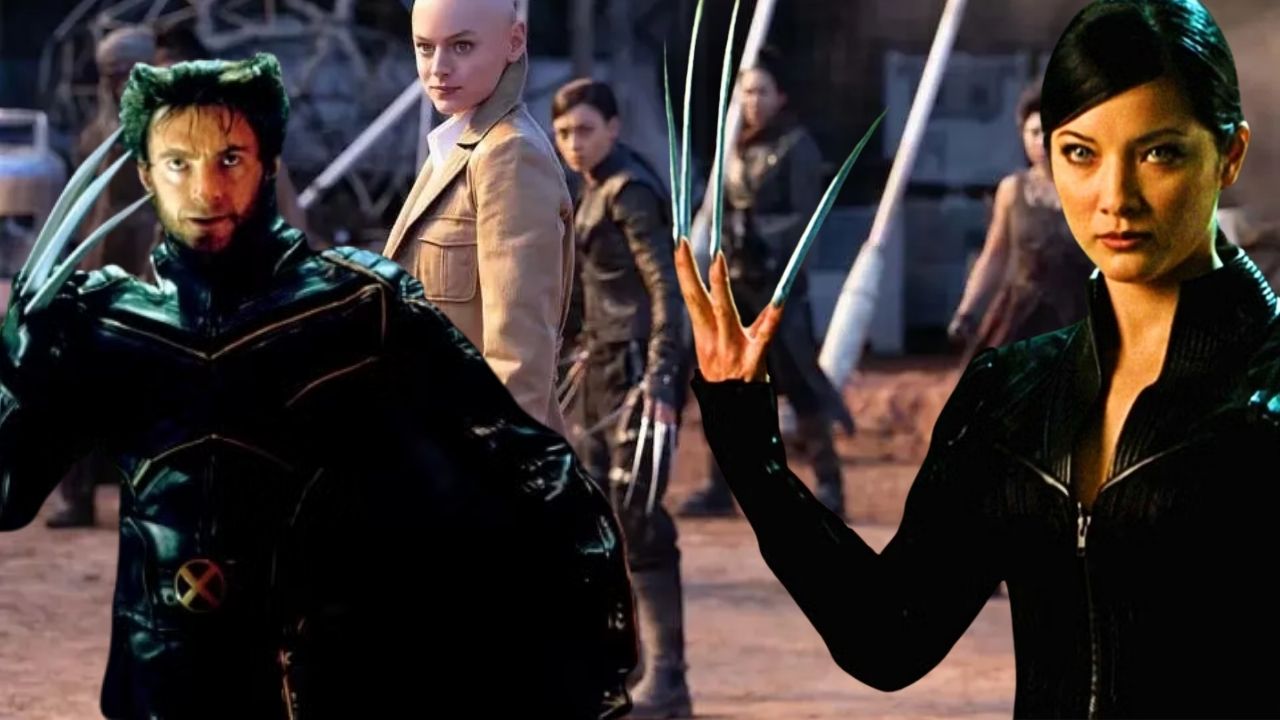
The first and powerful fight scene where we get the taste of his terrifying combat prowess in the franchise. It is a brutal scene – Logan stabs a soldier through the foot to hold him down before he lands a finishing blow but it is wholly motivated by his radical, paternal need to shield the powerless. It is the perfect summary of who he is using monstrous violence in the service of an essentially righteous cause.
The Mirror Match: Battling Lady Deathstrike
The climax of X2 is a showdown you won’t soon forget, but not simply because it looks so astonishing. Deep in the Alkali Lake compound, the site of his agonizing adamantium bonding, Wolverine must battle Lady Deathstrike. Deathstrike is a mutant with the same healing factor and adamantium laced skeleton, but unlike Logan, her mind is entirely controlled by Stryker’s mind control serum.
This battle has a deeper meaning behind it. Lady Deathstrike is the ultimate Weapon X success story: a perfect, soulless killing machine with no free will. Fighting her, Wolverine is fighting a dark reflection of the artificially created nature that he shares with her. He has to draw on his most primal instincts to survive and ultimately best her by pumping her body full of liquid adamantium.

The victory is hollow and mournful. This scene shows us that what genuinely makes Wolverine so powerful isn’t his metal skeleton, but the fact that he’s still human and in choices he has free will — even as he grieves a lost fellow Stryker victim. When the film ends, he tosses his dog tags, signifying his decision to leave behind his fixation on his past and focus on his future with the X-Men.
The Burden of Love: Executing the Dark Phoenix
Logan is the tragic fulcrum of the series’ in X-Men: The Last Stand (2006), a film reviled by critics but which conceals one of the most emotionally shattering moments in superhero movie history. The monstrous, reality altering power of the Phoenix Force is awakened within Jean Grey and the energy overpowers her, causing her to destroy everything around her. The military and the X-Men cannot bring down her godlike telekinesis.
Wolverine understands that the only reason he is even able to be near Jean Grey is because of his incredible healing factor. As he battles the violent onslaught of her telekinetic power, he is torn apart and reassembled countless times – his skin is pulled back, exposing his adamantium skeleton. It’s an inhuman and unforgiving reminder of how much pain Wolverine can take.
Wolverine is aware his regenerative healing factor is what allows him to be the closest living thing to her. As he battles through a chaos of telekinetic destruction, his flesh is continually atomized and regrown on the spot, ripping open his skin to the point where his adamantium skeleton is bared in a grotesque exhibition of raw determination. In a momentary flash of lucidity, Jean begs him to save her. In an unthinkable physical torment, Logan declares his love, and then slashes his claws through her torso, killing her and saving the world.
This sequence is Wolverine’s ultimate tragedy. The same power that enables him to survive also forces him to carry the mental weight of killing the woman he loves — an act that emotionally shatters him and haunts him for decades. It’s a reminder that the greatest heroism of all is hiding in the kind of burdens that would break the minds of normal men.
The Ronin and the Bullet Train: Exploring Japanese Lore
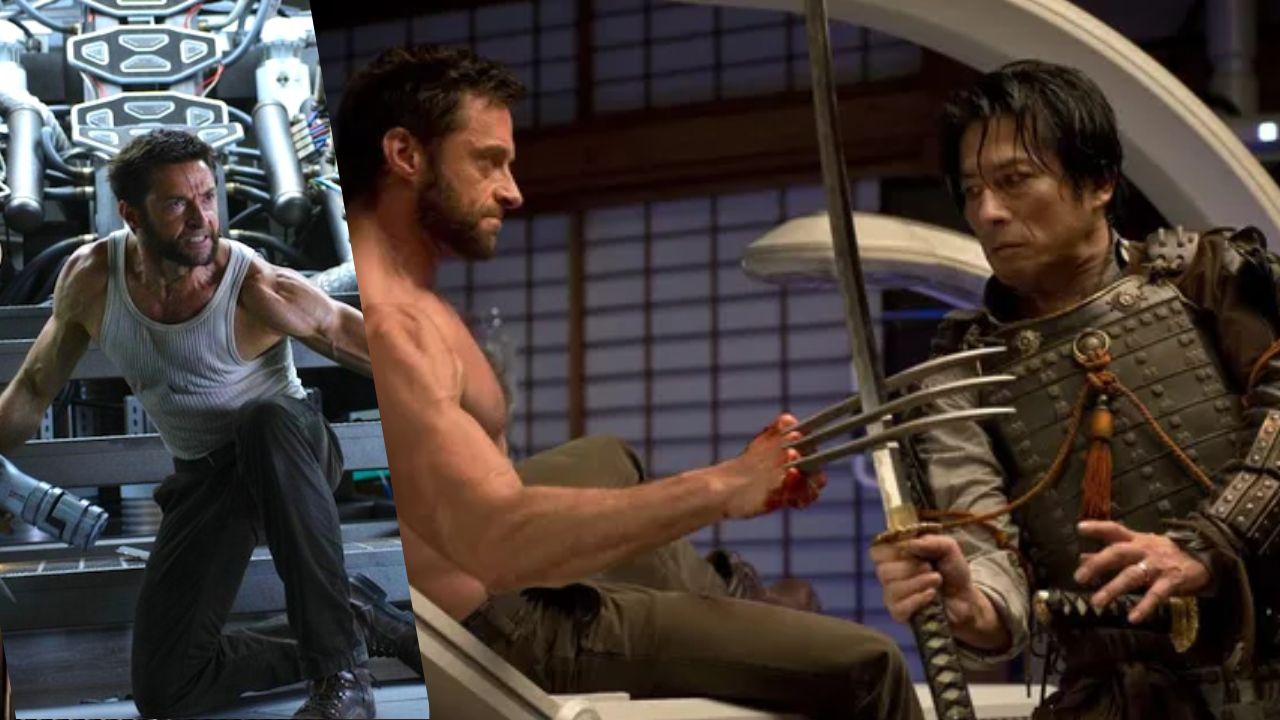
The Wolverine (2013), director James Mangold locates Logan in Japan and explicitly examines his character in relation to that country’s culture through the figure of the ronin—a masterless samurai in search of purpose in a world that has disappeared. The film opens with a haunting flashback to 1945. Logan is locked away in a solitary confinement cell near Nagasaki. At the atomic bombing, Logan grabs a Japanese officer, Yashida, into the pit and covers him with his own body.

He takes in the nuclear blast, his flesh turning black with charring before gradually, excruciatingly, sewing itself back up. This scene demonstrates not only the frightening almost limitless healing potential of his powers, but also his fundamental unshakable nobility, even as an abused prisoner of war, his first instinct is to shield a human life from being burned to ashes.
At some point during the movie, it doesn’t just give us a great action sequence but one of the most wildly creative ever in the series: the bullet train fight. Confined Valiant Wolverine battles with arm blades, not just through offensive strikes, but as aero-dynamic anchors stabbing the metal roof to prevent them from being blown away by wind while atop a 300 mile an hour train with Yakuza assassins.
This casuistically iconic moment also showcases his mind as a tactician, revealing that he is more than a simple goon with fists of steel. Then (when he has an open heart surgery on himself to remove a parasitic implant that was slowing his healing), it sums up the tight, visceral fear and relentless drive to survive that characterizes him.
Feral Unleashed Moment in 2016 X-Men
In X-Men: Apocalypse, the comic version Wolverine has seen despite the fact he was mostly confined to use in the prequel series. William Stryker’s Alkali Lake facility was breached by adolescent mutants to find a supermax cell. A young Jean Grey, using telepathy, breaks into a shattered mind and frees the prisoner.
There steps Wolverine, clad in the traditional, comix-perfect Weapon X mask and cables, a prisoner to a bestial rage. He goes wild inside the compound, slaughtering the guards with a very bloody prejudice.
This is a pure, rewatchable fan-service stunt sequence, but you could also argue it has narrative utility in that it visually reinforces just how deep a wound Stryker inflicted — what Logan had to overcome to come into his killer/mentor role in the original films. Jean Grey at last regains some of his memories, quiets the beast and he escapes into the wintry wilderness, sending him on the road to rediscovering his humanity.
Read more:- Lewis Pullman Hints About Characters Depth in Avengers: Doomsday
Conclusion
Ultimately, the big thing that actually sets Wolverine apart in the X-Men Film Series isn’t his claws, or strength, or even his near immortality—it’s his humanity. Through pain, loss, and a lifetime of brawls, Logan is an emotionally turbulent man who habitually opts to fight for the benefit of others, even when doing so costs him everything.
Wolverine, as embodied by Hugh Jackman, became more than just a superhero, he became the heart and soul of the franchise. From the savage fights to the quiet moments of vulnerability to the devastating sacrifices he makes, Wolverine never stops proving that real heroism isn’t about strength—it’s about endurance, empathy and the ability to bear unfathomable burdens. And that’s precisely why, even in a lineup of astonishing mutants, he stands out as the signature and most unforgettable character of the X-Men film series.
With Funsterworld, you can read most interesting and unforgettable theories made specially for fans of Marvel in accurate details.
About the Author